How to Start a Music Career in India: The Complete Roadmap 2026
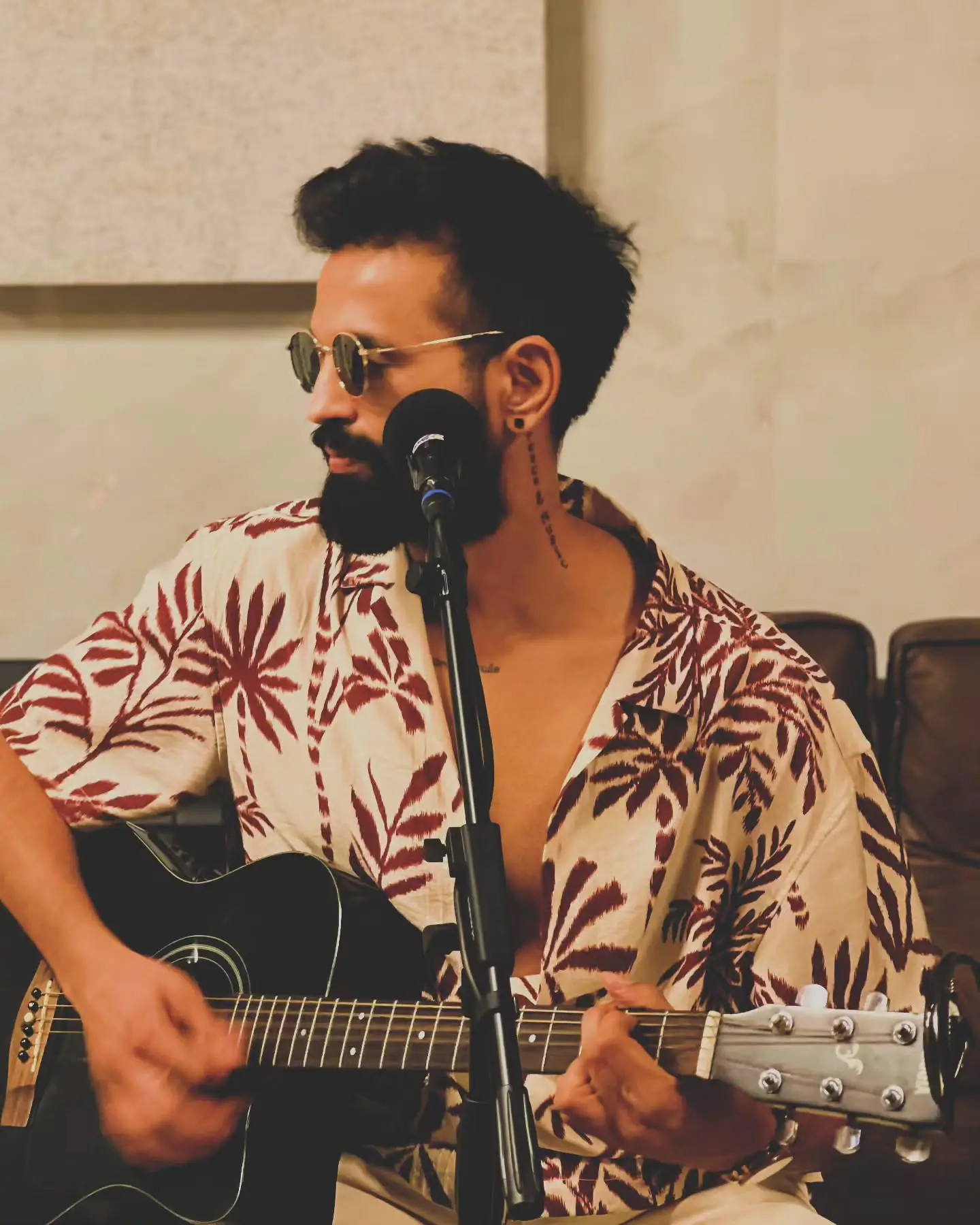

Every week, parents and students walk into 12NOTEZ Music Studio in Jaipur asking the same question: "Is a music career actually possible in India?" The honest answer is yes — and the path is more accessible in 2026 than at any point in history. But the journey is also more competitive, requires more business skill, and demands more patience than most aspiring musicians realize. This guide is the playbook we've watched succeed across hundreds of artists, producers, vocalists, and music teachers. It's the truth, not the dream.
The Six Music Career Paths in India (Pick One)
The biggest mistake new musicians make is trying to be everything — artist, producer, teacher, performer simultaneously. The Indian market rewards focus. Pick ONE primary path for your first 5 years:
- Performing Artist: Singer-songwriter, band member, or solo performer. Income from live shows, streaming royalties, brand partnerships. Examples: Prateek Kuhad, Anuv Jain, Ritviz, AP Dhillon. Top earners: ₹2-50 crore/year. Median professional: ₹3-8 lakh/year.
- Producer/Composer: Behind-the-scenes person creating beats, compositions, and arrangements for other artists, films, ads. Examples: Sez on the Beat, OAFF, Lost Stories. Top earners: ₹5 crore+/year. Median professional: ₹8-15 lakh/year.
- Mixing/Mastering Engineer: Technical specialist who polishes finished tracks. Examples: Eric Pillai, Vijay Dayal. Top earners: ₹1-3 crore/year. Median professional: ₹6-15 lakh/year.
- Session Musician: Instrumental specialist hired for studio recordings and live tours. Examples: Karan Trivedi (drums), Sheldon D'Silva (bass). Top earners: ₹40 lakh+/year. Median professional: ₹4-10 lakh/year.
- Music Teacher: Vocal coach, instrument teacher, or music school owner. Examples: Devu Khan (vocal coach), MTPS founders. Top earners: ₹50 lakh+/year (school owners). Median professional: ₹3-8 lakh/year.
- Music Studio Owner: Operating a recording studio, jamming room, or production house. Top earners: ₹50 lakh-2 crore/year. Median professional: ₹5-12 lakh/year (single-room studios).
Each of these has different skill requirements, different income trajectories, and different success rates. Choose based on your strengths, not your dreams.
The Path for Performing Artists (Singer-Songwriters & Bands)
Phase 1: Build a Catalog (Months 0-18)
You need recorded music before you can build an audience. Goal: 5-8 polished singles or 1 EP. These are your portfolio. Production costs at independent studios in India: ₹15,000-50,000 per professionally-recorded song. Budget total: ₹1.5-3 lakh for your first catalog. (You can DIY for less, but quality matters in 2026.)
Don't release one song and obsess over its stream count. Release consistently — one song every 6-8 weeks — for at least 18 months before judging traction.
Phase 2: Distribution and Streaming Setup (Month 18+)
Sign up for DistroKid (₹1,950/year unlimited) or TuneCore. Release to Spotify, Apple Music, JioSaavn, YouTube Music, Amazon Music simultaneously. Set up Spotify for Artists and Apple Music for Artists accounts — these give you analytics that inform every future decision.
Create a YouTube channel and post videos for every release. Music videos cost ₹10,000-1 lakh in India depending on production scale. Lyric videos and visualizers are much cheaper and increasingly accepted.
Phase 3: Live Performance Income (Month 6 onward, parallel to recording)
Live performance is where most independent Indian artists actually earn money. Realistic Indian live performance rates:
- Open mics / unpaid: First 6 months. Build stage confidence.
- Cafés / restaurants: ₹2,000-8,000 per show. Months 6-18.
- College fests: ₹15,000-50,000 per show. Year 2-3.
- Corporate events: ₹50,000-2,00,000 per show. Year 3+.
- Festivals (NH7, Magnetic Fields, Sunburn): ₹50,000-5,00,000 per show. Year 3-5 once you have streaming numbers.
- Headline tours: ₹2,00,000-15,00,000 per show. Year 5+ for top-tier indie artists.
Most Indian indie artists make 70-80% of their income from live performance, 10-20% from streaming royalties, and the rest from brand partnerships and merch.
Phase 4: Streaming Income Reality Check
Spotify pays approximately $0.003-0.005 per stream globally. In India, payouts are lower — closer to $0.001-0.002 per stream due to local subscription pricing. Translation: 1 million Indian Spotify streams = ₹85,000-170,000. To make ₹1 lakh/month from streaming alone, you need 1 million+ monthly streams. Most independent Indian artists never reach this. Plan accordingly: streaming validates and builds audience, but live performance pays the rent.
Phase 5: Brand Partnerships and YouTube Monetization (Year 3+)
Once you have 50,000+ social media followers and demonstrable engagement, brands start reaching out. Indie artist brand deals in 2026: ₹50,000-5,00,000 per campaign depending on reach. YouTube monetization kicks in seriously above 100,000 subscribers — typically ₹50,000-3,00,000 per month for music creators in India.
The Path for Producers
Year 1 (Hobbyist): Finish 20 Songs
Don't worry about quality, money, or fame. Just finish 20 songs. Use any DAW. Release them on SoundCloud or YouTube. This phase is about building completion habits, not making hits.
Year 2 (Beginner): Find Your First Paying Clients
Reach out to 10 local artists offering one free production. One says yes. That song becomes your portfolio piece. Local Indian rappers and indie singers will pay ₹2,000-5,000 for a beat or production in this phase. Expected annual income: ₹20,000-80,000.
Year 3 (Working Producer): ₹20,000/month from music
Rates rise to ₹5,000-12,000 per production. Add mixing services at ₹2,000-5,000 per song. By year-end, working with regional artists who have streaming numbers becomes possible. Annual income: ₹2-5 lakh.
Year 4-5 (Established): ₹50,000-1,50,000/month
Production rates: ₹15,000-30,000 per song. Possible ad/jingle work: ₹30,000-2,00,000 per project. Begin earning meaningful streaming royalties from earliest released originals. Annual income: ₹6-18 lakh.
Year 6+ (Top Tier): ₹2-50 lakh/month possible
Top Indian producers in this bracket include Sez on the Beat (₹5 crore+ annually), Karan Aujla's production team, and AR Rahman's senior associates. Most plateau at ₹15-25 lakh/year, which is a comfortable middle-class living in any Indian city.
For deeper technical guidance on the producer path, see our Complete Guide to Music Production in India 2026.
The Path for Mixing/Mastering Engineers
This is the most underrated career path in Indian music. Demand massively exceeds supply because the technical skill barrier is high and Indian music production volume keeps growing.
Required Skill Set
Mastery of one DAW (Logic Pro or Pro Tools dominate professional Indian studios). Deep knowledge of EQ, compression, reverb, and stereo imaging. Genre-specific mixing techniques (Bollywood vocals sound different from punjabi vocals which sound different from hip-hop). Understanding of LUFS-based mastering for streaming platforms.
Realistic Income Trajectory
- Year 1 (Learning): Free mixes for friends and small artists. Build portfolio. ₹0-50,000.
- Year 2-3 (Junior): ₹1,500-4,000 per song mix. Annual income: ₹2-6 lakh.
- Year 4-6 (Mid-level): ₹5,000-15,000 per song mix. Annual income: ₹8-20 lakh.
- Year 7+ (Senior): ₹20,000-1,00,000 per song mix for major label releases. Annual income: ₹25-50 lakh.
- Year 10+ (Top tier): Working with major Bollywood films, top indie artists. ₹50 lakh-2 crore/year.
How to Get Started
Apprentice with an established engineer for 6-12 months, often unpaid or low-paid. Watch them work. Build a personal home setup capable of professional mixing (₹3-5 lakh investment in monitors, room treatment, plugins). Mix for free for the first 30-50 artists to build a portfolio. Slowly raise rates as quality and reputation grow.
The Path for Session Musicians
Required Foundation
Mastery of your instrument (8-12 years of serious training minimum). Excellent sight-reading. Ability to play in any style on demand — Bollywood today, jazz tomorrow, Punjabi the next. Reliability — sessions start on time, you arrive prepared.
How Sessions Actually Work in India
Mumbai is the session music capital. Most film recording happens there. Bangalore is the second hub for advertising and corporate jingles. Chennai for Tamil/Telugu film music. Sessions typically pay ₹3,000-25,000 per song depending on your reputation. Top session players (drummers, guitarists, percussionists) book 100-200 sessions per year.
Realistic Income
- Year 1-2 (Building reputation): ₹5,000-30,000 per month from sessions while doing other work. Annual: ₹2-5 lakh.
- Year 3-5 (Working session player): ₹50,000-1,50,000/month. Annual: ₹6-18 lakh.
- Year 5+ (Top session players): ₹2-5 lakh/month. Plus tour work. Annual: ₹25-60 lakh.
The Honest Truth About Session Work
It's the most secure but least glamorous music career path. You never get famous as a session player. But the work is steady, the income is reliable, and you make music every day. Many top session players are happier than most "famous" indie artists.
The Path for Music Teachers
Option A: Private 1-on-1 Teaching
Starting rates in tier-1 Indian cities: ₹500-1,500 per hour. After 5 years of teaching experience: ₹1,500-4,000 per hour. Top teachers (with reputation, performance background): ₹5,000-15,000 per hour.
Realistic monthly income calculation: 6 students × weekly 1-hour lessons × 4 weeks × ₹800 = ₹19,200/month per 6 students. Most music teachers can sustainably teach 12-25 students per week, generating ₹40,000-1,00,000/month.
Option B: Music School Owner
Setting up a small music school costs ₹3-15 lakh (depending on city, real estate, equipment). Successful music schools in Indian cities generate ₹3-15 lakh/month gross revenue, with 30-50% margins after teacher payments, rent, and equipment.
This is a small business path, not just a music career. Requires marketing, customer service, accounting, and HR skills alongside musical ability.
Option C: YouTube Music Teaching Channel
Channels like Acharya Aditya Krishna and Devu Khan have built audiences of millions teaching Hindustani vocals on YouTube. Top music teaching channels in India generate ₹2-15 lakh/month from YouTube ads, course sales, and brand partnerships. This path scales unlike 1-on-1 teaching, but requires consistent content creation and SEO understanding.
The Path for Music Studio Owners
Operating a studio combines business and music. Realistic Indian studio economics:
- Capital investment: ₹15-50 lakh for a single-room professional studio. ₹50 lakh-2 crore for multi-room professional studios.
- Operating costs: ₹1.5-5 lakh/month (rent, electricity, equipment maintenance, staff).
- Revenue streams: Recording sessions (₹1,500-5,000/hour), mixing services, music classes, jam room rental, podcast recording.
- Break-even point: 60-70% utilization across all services. Most studios take 18-30 months to reach this.
- Mature studio profit: ₹3-15 lakh/month after 3-5 years of operation.
At 12NOTEZ, we operate a multi-purpose studio combining recording, classes, jamming room, and podcast production. This diversified model is more resilient than single-service studios in tier-2 cities like Jaipur. Visit our services page to see our full offerings.
The Skills That Matter Across Every Music Career
Musical Skills (Obvious but Critical)
- Mastery of your primary instrument (voice or instrument) — 10,000+ hours minimum
- Ear training — recognize keys, chords, rhythms instantly
- Music theory — at least intermediate level (chord construction, harmonic movement)
- Genre fluency — deep understanding of 2-3 genres beyond surface listening
Business Skills (Less Obvious, Equally Critical)
- Email and phone communication — most paying clients come via email/WhatsApp
- Pricing your services — under-pricing and over-pricing both kill careers
- Basic accounting and tax filing — Indian music income above ₹2.5 lakh requires income tax filing
- Contract reading — every paid gig should have a basic contract
- Negotiation — most musicians get paid less because they don't ask for more
Digital Marketing Skills (Essential in 2026)
- Instagram content creation — reels, stories, posts that demonstrate your work
- YouTube SEO basics — keywords, thumbnails, descriptions
- Spotify for Artists analytics — understanding your audience demographics
- Email list building — your most valuable asset long-term
- Basic graphic design (Canva is enough) — for social posts and gig promotions
Soft Skills (Make-or-Break)
- Reliability — show up on time, do what you promised
- Resilience — rejection is constant; persistence wins
- Networking — most paid work comes via personal connections
- Continuous learning — music tools and trends change every year
The Most Common Mistakes That Kill Indian Music Careers
- Waiting to be "discovered." No one is coming. You have to build it yourself.
- Chasing trends instead of developing voice. By the time you copy the trend, the trend has moved.
- Giving up at the 18-month mark. This is when most musicians quit, just before things start working.
- Ignoring the business side. Talent without business skill = poverty. Business skill without talent = mediocrity. You need both.
- Not networking offline. Online presence helps; in-person relationships pay. Attend every music event in your city.
- Over-investing in gear, under-investing in skill. A ₹2 lakh microphone won't make you a better singer.
- Comparing to top 0.01%. Comparing yourself to AR Rahman or Arijit Singh will destroy your motivation. Compare to where you were 6 months ago.
- Refusing to teach or do "lesser" work. Many famous musicians taught for years before they could afford to focus on performance/recording.
- Burning bridges. The Indian music industry is small. Bad reputation spreads fast. Be the person others want to work with.
- Not having a plan B income. Most successful Indian musicians had a parallel income source (teaching, day job, family business) for their first 3-5 years.
Indian Cities Ranked for Music Careers in 2026
Mumbai: The clear #1. Bollywood, ads, film music. Highest opportunity and highest competition. Cost of living: very high.
Bangalore: #2 for advertising music, jingles, and indie scene. Lower costs than Mumbai.
Chennai: Center for Tamil/Telugu film music. Massive regional industry.
Delhi NCR: Strong for hip-hop, electronic, and corporate event music. Major festival circuit.
Pune: Growing indie scene, strong classical music tradition.
Hyderabad: Telugu film music hub, growing studio scene.
Tier-2 cities (Jaipur, Indore, Lucknow, Ahmedabad): Lower competition, lower ceilings. Better for teaching/studio businesses than performing artist careers. Many successful Indian musicians built their early careers here before moving to Mumbai/Bangalore.
When to Move to Mumbai (Or Stay Where You Are)
Move to Mumbai if: you want to work in Bollywood specifically, or you've built ₹50,000+/month in remote income and want to be where the industry is. Stay where you are if: you can build a viable music career locally (teaching, studio, regional artist work) or your support network is critical to your stability.
Many indie artists in 2026 are succeeding without ever moving to Mumbai. Online presence, streaming, and remote collaboration have decentralized the Indian music industry significantly compared to even 5 years ago.
How to Use 12NOTEZ in Your Journey
At 12NOTEZ Music Studio Jaipur, we serve musicians at every stage:
- Recording singles or EPs: Professional studio quality at independent pricing. Book via audio recording services.
- Music production training: Our 12-week music production course compresses 2 years of self-teaching into 3 months of structured learning.
- Daily riyaaz practice: Free online tools — our Riyaaz Studio (tanpura + tabla), tabla machine, tanpura, and song key finder.
- Band rehearsal: Our jamming room (₹399/hour) gives you professional rehearsal space without the cost of building one.
- Music classes: Vocal, guitar, keyboard, drums, and tabla instruction by working musicians.
- Career mentorship: Drop into our monthly Producer's Meetup in Jaipur to learn from working professionals.
Contact us at 12NOTEZ Music Studio or WhatsApp +91-96021-95653 to start your journey.
Conclusion: The Hard Truth That Sets You Free
A music career in India in 2026 is possible. It's also hard. Most aspiring musicians fail not because they lack talent — they fail because they lack patience, business sense, or willingness to do the unglamorous work that lies between dreams and income. The musicians who succeed combine three things: genuine craft (10,000+ hours of practice), business skill (treating music as a profession), and stubborn consistency (showing up for years even when no one cares).
If you have all three, you'll make it. If you have two, you'll struggle. If you have one, you'll quit within 3 years.
The path is open. The tools are accessible. The market is growing. The only thing missing is your decision to actually start — and to keep going for the 5-10 years it takes to build something real. Start your first song this week. Release it next month. Then make another. Repeat for a decade. That's how every musician you admire actually built their career.
See you on the other side.
Frequently Asked Questions About Music Careers in India
Q: How much does it cost to start a music career in India? Bedroom-producer minimum: ₹70,000 (PC + interface + mic + headphones + MIDI keyboard + free DAW trial). Semi-pro setup: ₹1.8 lakh. Pro studio: ₹3 lakh+. But equipment is only one cost — distribution (₹2,000/year), music videos (₹10,000-1 lakh per video), and PR/promotion (₹0-50,000/month) add up. Most viable Indian indie artists invest ₹3-8 lakh in their first 2 years.
Q: Is it possible to make ₹1 lakh/month from music in India? Yes, achievable in 3-5 years with focused work. Common ₹1 lakh/month paths: 25-30 students at ₹500-700/lesson (teaching), 8-12 productions/month at ₹10,000-15,000 each (producing), 8-12 mixing jobs/month at ₹8,000-15,000 each (mixing), 5-8 live shows/month at ₹15,000-25,000 each (performing). Most professional musicians combine 2-3 income streams.
Q: Should I quit my day job to pursue music full-time? Only when your music income reliably matches 60% of your day job income for 6+ consecutive months. Quitting too early creates financial stress that kills creativity. Many successful Indian musicians did 2-5 years of parallel income before going full-time.
Q: How important is music school or formal training? Necessary for classical traditions (Hindustani, Carnatic — requires gurus). Helpful but not necessary for production, audio engineering, or contemporary performance. Many top producers and engineers are self-taught. Formal degrees from KM Music Conservatory, Berklee, or Whistling Woods provide structure and networking but not strictly required.
Q: What's the role of social media in 2026 music careers? Critical for visibility, less critical for income. You need an Instagram presence (10-100k followers helps with brand deals), YouTube channel (helps with discoverability), and ideally a small email list. But viral hits don't equal income — many artists with 1M+ views still make less than working session musicians.
Q: How do I deal with rejection and slow progress? Set process goals, not outcome goals. "I will release one song every 8 weeks for 2 years" is in your control. "I will get 100,000 streams" is not. Process consistency over years inevitably produces outcomes; chasing outcomes directly burns out most artists within 18 months.
Q: What's the tax situation for music income in India? Music income is treated as professional income. File ITR-3 if running as profession, ITR-4 for presumptive taxation (50% of receipts as income if total < ₹50 lakh). GST registration above ₹20 lakh/year. Consult a CA early — proper accounting saves significant tax and provides legitimacy for visa applications, loan eligibility, etc.
Q: Do I need a stage name? Optional. Stage names help if your real name is hard to pronounce internationally, common (many other artists with same name), or you want stylistic separation from your day life. Most Indian indie artists in 2026 use their real names — feels more authentic to audiences.
Action Steps for Your First 90 Days
Stop reading. Start doing. Your first 90-day action plan:
- Week 1: Pick your career path (artist, producer, engineer, session player, teacher, studio owner). Write it down.
- Week 2: Set up your basic equipment. Download a free DAW trial or sign up for a class.
- Week 3-4: Complete your first project (song, beat, mix, lesson plan, etc.). Doesn't matter how rough.
- Week 5-8: Complete 3-5 more projects. Speed matters over quality at this stage.
- Week 9-10: Share publicly. Instagram, YouTube, SoundCloud, or local performance. Get feedback.
- Week 11-12: Apply feedback. Plan the next 90 days. Identify one specific weakness to improve.
After 90 days, you've already moved past the 80% of aspiring musicians who never finish their first project. Keep going. Repeat the cycle. In 18-36 months, you'll start seeing real income. In 5-10 years, you'll have a career.
That's the deal. Take it or leave it.