Music Copyright India: Rules for Musicians
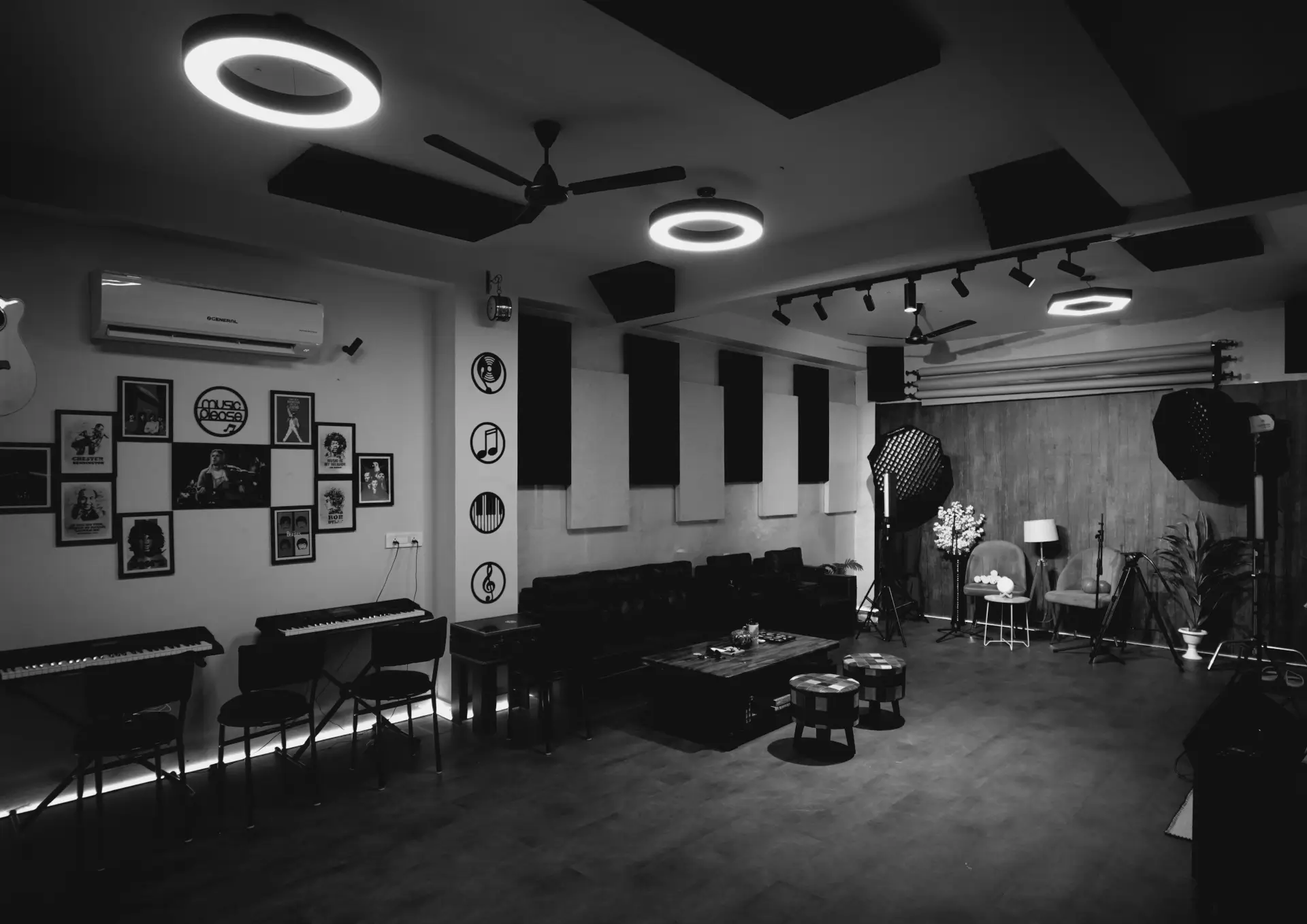
Introduction to Music Copyright in India
As a musician in India, it's essential to understand the rules and regulations surrounding music copyright. The Indian music industry is thriving, with numerous independent artists emerging every year. However, with the rise of digital music platforms and social media, the risk of copyright infringement has increased. In this blog post, we will delve into the world of music copyright in India, exploring the laws, regulations, and best practices for musicians to protect their original compositions.
Understanding Music Copyright Laws in India
Music copyright in India is governed by the Copyright Act, 1957. The Act grants exclusive rights to the creator of a musical work, including the right to reproduce, distribute, and perform the work. The copyright owner also has the right to receive royalties for the use of their work. In India, the copyright term is typically the lifetime of the author plus 60 years. To copyright a song in India, musicians must register their work with the Copyright Office, which is a branch of the Department of Industrial Policy and Promotion, Ministry of Commerce and Industry.
Types of Copyright for Musicians in India
There are two types of copyright relevant to musicians in India: musical composition copyright and sound recording copyright. Musical composition copyright refers to the rights over the melody, lyrics, and harmony of a song, while sound recording copyright refers to the rights over the specific recording of a song. Musicians can register both types of copyright to protect their work.
How to Copyright a Song in India: A Step-by-Step Guide
Here's a step-by-step guide on how to copyright a song in India:
- Prepare your song: Ensure that your song is complete and finalized before applying for copyright registration.
- Gather required documents: You will need to provide proof of identity, proof of address, and a copy of your song (in the form of a CD or DVD).
- Fill out the application form: You can download the application form from the Copyright Office website or obtain it from the office directly.
- Pay the registration fee: The registration fee for musical works is ₹500, while the fee for sound recordings is ₹2,000.
- Submit the application: You can submit the application online or by post, along with the required documents and fee.
It's recommended that musicians use a reliable software like music production at 12NOTEZ to create and record their music, and then register their work with the Copyright Office.
Tips for Musicians in India
Here are some tips for musicians in India to keep in mind when it comes to music copyright:
- Register your work as soon as possible to avoid any potential disputes or infringement claims.
- Use a reliable online platform like SoundCloud or YouTube to share your music, as they have built-in copyright protection features.
- Consider investing in a good pair of monitors, such as the KRK RP5 G3 (₹25,000), to ensure that your music sounds its best.
- Keep a record of all your musical works, including lyrics, melodies, and recordings, to prove ownership and copyright.
Music Royalties in India: What You Need to Know
Music royalties in India refer to the payments made to musicians and copyright owners for the use of their work. In India, music royalties are typically collected by organizations like the Indian Performing Right Society (IPRS) and the Phonographic Performance Limited (PPL). These organizations collect royalties from music users, such as radio stations, restaurants, and event organizers, and distribute them to the relevant copyright owners.
Musicians in India can expect to earn royalties from various sources, including:
- Radio airplay: ₹5-10 per play
- Live performances: ₹5,000-50,000 per show
- Streaming: ₹0.05-0.10 per stream
It's essential for musicians to understand how music royalties work in India and to register with the relevant organizations to receive their due payments.
Conclusion
In conclusion, music copyright in India is a vital aspect of the music industry, and musicians must understand the rules and regulations surrounding it. By registering their work with the Copyright Office and following best practices, musicians can protect their original compositions and earn royalties for their use. As a musician in Jaipur, it's crucial to stay informed about music copyright laws and to seek professional help when needed. At 12NOTEZ Music Studio Jaipur, we provide recording studio services and guidance on music copyright and royalties to help musicians succeed in the Indian music industry.