Sawan 2026 Bhajan Production Guide for Studios
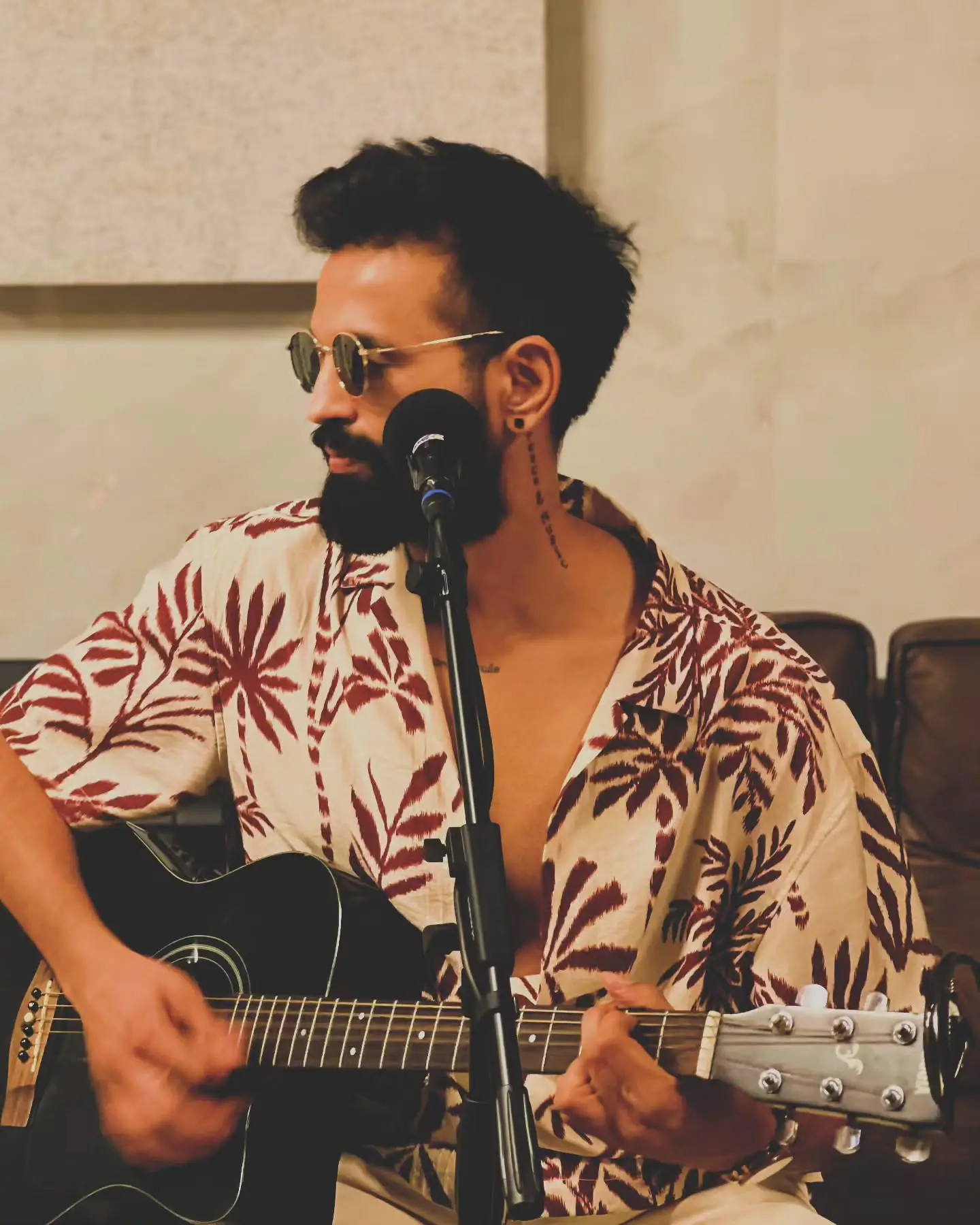

I produced my first Sawan bhajan in 2019 — a simple harmonium-and-vocal track for a Jaipur temple's YouTube channel. We charged ₹8,000 for it. Last Sawan, 12NOTEZ handled seven devotional projects ranging from ₹25,000 singles to a ₹1.5 lakh 5-track EP. The seasonal demand is real, it's growing, and it's predictable if you plan ahead.
Sawan 2026 starts on July 18 and runs through August 15. That gives you exactly eight weeks from today to produce, record, master, and release bhajan and devotional content if you want to catch the wave on Spotify India, YouTube, and JioSaavn. Last year we shipped four bhajan releases for clients during Sawan from 12NOTEZ Jaipur; one of them crossed 400,000 plays in six weeks. Here's the playbook we used, with timelines and gear.
Devotional music has a peculiar production challenge: it needs to sound traditional enough to feel sacred, but modern enough to compete on streaming with crisp audio. Most amateur bhajan recordings get this balance wrong — either too clinical (sounds like a pop ballad with religious lyrics) or too raw (poor pitch, muddy bass, unusable on commercial platforms).
The Sawan 2026 Calendar — Plan Backwards From Release
If you want a Sawan release with promotional runway, work backwards from your target date:
- July 18 (Sawan begins): Ideal first-release date for maximum festival overlap
- July 11: Master delivered to distributor (DistroKid takes ~5 days to push to all platforms)
- July 4: Mix finalized
- June 27: Recording sessions complete
- June 13: Arrangements locked, session musicians booked
- May 30 (next week): Lyric draft + raga selection + key locked
That's six weeks of actual work. If you're starting today, you're cutting it close but feasible. Don't push past June 1 for arrangement decisions or you'll miss Sawan opening week.
Choose the Right Raga First, Lyric Second
The mistake most producers make: writing lyrics, then asking a singer to fit them into "whatever feels devotional." Reverse it. Pick a raga whose emotional gravity matches the deity and time of day, then write or commission lyrics that sit in that raga.
For Shiva bhajans during Sawan, the strongest ragas are:
- Raga Bhairavi: dawn-feeling, deeply devotional, lowest emotional register — the default for serious Shiva worship music
- Raga Malkauns: meditative, ascetic, late-night — fits Mahadev's contemplative side
- Raga Darbari: grave, royal, slow — works for stuti-style bhajans
- Raga Shivaranjani: obviously, but actually less Shiva-specific than the name suggests — moves more toward bhakti pop
For mixed-deity Sawan content (Hari, Devi, Hanuman alongside Shiva), Raga Bhairavi remains the safest, most universally understood choice.
Vocal Selection — Female, Male, or Both?
Both work, but the platform data is clear: female-led bhajans get 2–3× the play rate of male-led ones on Spotify India and JioSaavn during Sawan. Anuradha Paudwal's catalog is the obvious reference; in 2026, contemporary female bhajan voices like Sadhvi Bhagawati and Madhushree are charting consistently.
If you have access to a strong female vocalist trained in Hindustani classical, that's your starting point. At 12NOTEZ we typically pair Shriya Rehi (lead) with a male voice for chorus harmonies — that combination feels authentic to listeners who grew up with traditional kirtan structures.

Instrumentation — What Belongs and What Doesn't
The traditional Hindustani devotional ensemble has clear rules. Stay within them or readers will smell production trying too hard:
Required instruments
- Harmonium: the spine of every Hindi-Sanskrit bhajan. Use a real one if possible; sampled harmonium (Spitfire LABS Indian Harmonium is free, the best free option) is acceptable for demos but loses the breath sound that real harmoniums have
- Tabla: use real tabla — sampled tabla rarely captures the bayan's tonal complexity. Book a tabla player for 4 hours of session work (₹3,000–8,000 in most Indian cities)
- Tanpura drone: non-negotiable. The drone is what makes a bhajan feel sacred. Use real tanpura recording or our free online tanpura for demos
Optional but powerful
- Bansuri (Indian bamboo flute) — perfect for instrumental breaks between verses
- Sarangi or violin — adds emotional weight to ballad-tempo bhajans
- Dholak — replaces tabla for kirtan-style faster bhajans
- Manjira (small finger cymbals) — adds rhythmic texture during chorus
What to AVOID
- Drum kit (acoustic or electronic) — kills the devotional feel instantly
- Heavy bass synthesizers — undermines the natural low-end of tanpura + bayan
- Auto-tune-heavy vocals — devotional music demands real pitch, not corrected pitch
- Pop-style reverb — use plate or hall reverb at modest levels, never bright vocal reverb
Recording Setup at 12NOTEZ
For our 2025 Sawan releases, the recording chain was:
- Vocals: Neumann U87 → SSL Alpha VHD preamp → Universal Audio Apollo x8p (24-bit/96kHz)
- Tabla: stereo pair — Shure SM57 on bayan close-miking, AKG C214 stereo overhead
- Harmonium: stereo pair — Rode NT5 small-diaphragm condensers placed 18 inches above the bellows
- Tanpura: single AKG C414 in figure-8 pattern, 24 inches in front
- Room: our acoustically-treated Studio A at Mansarovar Road, Jaipur
You don't need exactly this gear. Any decent large-diaphragm condenser ($200+) on vocals plus a clean preamp will work. The bigger issue is acoustic treatment — most home recordings ruin bhajan tone with untreated room reflections. If you're not in a treated space, book a few hours at a professional recording studio for the vocal and instrument tracking; you can do final mixing at home.
Mixing Conventions — Wide but Centered
Bhajan mixing has its own rules that differ from pop:
- Vocals dead center, slightly forward: EQ a small 2 dB cut around 250 Hz to clear mud; 1 dB lift at 5 kHz for breath presence
- Tanpura drone left and right (50% width): the foundation, always audible but never loud
- Harmonium 30% left or right: never centered — leave the center for voice
- Tabla 40% right, with bayan slightly more centered: stereo image consistent with how listeners experience live kirtan
- Reverb: short plate (1.8s) on vocals, longer hall (3.2s) on instruments — this contrast is what gives bhajans their depth

Mastering for Spotify, JioSaavn, and YouTube
Devotional music masters quieter than pop. Target -14 LUFS for streaming (Spotify's reference loudness) rather than the -10 LUFS that pop tracks chase. This sounds counterintuitive — quieter masters get fewer plays in casual listening — but devotional listeners specifically want the dynamic range. Crushed bhajan masters feel disrespectful.
True peak at -1.0 dB, dynamic range of 8–12 dB, no aggressive limiting. If you're using Logic Pro's Mastering Assistant or Ozone, run them in transparent / clean mode, not aggressive.
Distribution — Time Your Release Carefully
Spotify and JioSaavn algorithmically push devotional content during Sawan, but only if you've established the metadata correctly:
- Genre tag: "Bhajan" or "Devotional" — NOT "Indian classical" or "Bollywood"
- Mood tag: "Spiritual" / "Devotional" / "Meditative"
- Release date: Monday morning of a Sawan week for maximum playlist eligibility
- Cover art: traditional iconography or calligraphy, not stock photos
Submit to Spotify for Artists 21 days before release (pitch deadlines moved up in 2026). Pitch JioSaavn directly via their editorial form. Don't rely solely on algorithmic discovery — direct editorial pitching still drives the biggest plays for devotional content.
The Bigger Opportunity
Sawan-timed bhajan releases consistently outperform random-month devotional releases by 4–10× on streaming. The cultural mindshare during Shravan month means even modestly-promoted bhajan content gets organic traffic that would be impossible in February. If you've been thinking about releasing devotional music, this is the season to do it.
For the production work itself, our Sawan production package at 12NOTEZ Jaipur covers everything from raga selection to mastering — typically 3–4 weeks turnaround for a single bhajan release including tabla and harmonium session musicians. WhatsApp +91-9602195653 if you want to discuss a Sawan project. We have limited slots between June 1 and July 1 for new bookings.
For background on Sawan 2026 ritual significance and dates, Archyam's Sawan 2026 guide is a thorough cultural reference.
Release Timeline: From Studio to Sawan Day 1
The window between today and July 18 is tight. Here's the production and release timeline that actually works for a single bhajan:
- Week 1–2 (by June 8): Composition and demo. Lock the raga, tempo, and lyrical theme. Record a rough vocal guide with harmonium drone for reference. Don't over-perfect the demo — keep moving.
- Week 3–4 (June 9–22): Full recording. Vocals, tabla, harmonium, any additional instruments. If you're booking a tabla player, do it this week — good players book out 3–4 weeks in advance during seasonal periods. Expect ₹3,000–8,000 for a 4-hour session in Jaipur.
- Week 5 (June 23–29): Mixing. Bhajan mixes need roomy reverb and gentle compression — heavy limiting sounds wrong on devotional content. Target -14 LUFS for Spotify, not the aggressive -8 LUFS of pop.
- Week 6 (June 30 – July 6): Master and submit to distributor. DistroKid and CD Baby take 3–7 business days for Spotify delivery. Submit by July 6 to be safe.
- July 7–17: Pre-release push. Lyric video clips, short reels with bhajan snippets, behind-the-scenes from the recording session. Sawan content gets organic reach in the two weeks before the season starts.
- July 18: Release day. Push to devotional playlists and WhatsApp groups. Both platforms see peak devotional engagement on Sawan's first Monday.
If you're producing at home, our home studio setup guide (₹50,000 budget) has the gear list and acoustic treatment basics for recording clean bhajan vocals in a room that isn't purpose-built. Acoustic treatment matters more for devotional music than most genres — the reverb needs to feel natural, not compensated.
Frequently Asked Questions
When does Sawan 2026 start and end?
Sawan 2026 begins on July 18, 2026 (Saturday) and ends on August 15, 2026 (Saturday) per the North Indian Purnimant calendar. South Indian Amavasyant tradition starts approximately two weeks earlier. The most active devotional listening period is the four Sawan Mondays (Sawan Somwar).
What's the best raga for a Shiva bhajan?
Raga Bhairavi is the most widely accepted choice for Shiva-centered bhajans — it carries devotional depth without being too solemn. Raga Malkauns suits more meditative, ascetic Shiva worship. Raga Darbari works for stuti-style praise compositions. For broad-audience Sawan releases, stick with Bhairavi.
How much does it cost to produce a professional bhajan in Jaipur?
A full-production bhajan with real tabla, harmonium, lead vocal, and mastering costs ₹25,000–60,000 at 12NOTEZ Jaipur depending on complexity. Session musician fees alone are ₹3,000–8,000 per instrument for a 4-hour session. Add ₹8,000–12,000 for mixing and ₹3,000–5,000 for mastering.
Should I use sampled tabla or hire a tabla player?
For final releases, hire a real tabla player. The bayan's tonal complexity (especially the "ghe" and "ke" strokes) is poorly captured by sampled libraries even in 2026. For demos and reference tracks, free libraries like Spitfire LABS Indian Percussion are fine. A 4-hour session with a working tabla player in Jaipur costs ₹3,000–8,000.
What LUFS should I master a bhajan to for Spotify?
Target -14 LUFS integrated, -1 dB true peak, with 8–12 dB of dynamic range. This is quieter than pop but matches devotional listener expectations and aligns with Spotify's reference loudness. Crushed loud masters work against devotional content's emotional purpose.