₹80K Home Studio India 2026: Mic, Interface, Treatment
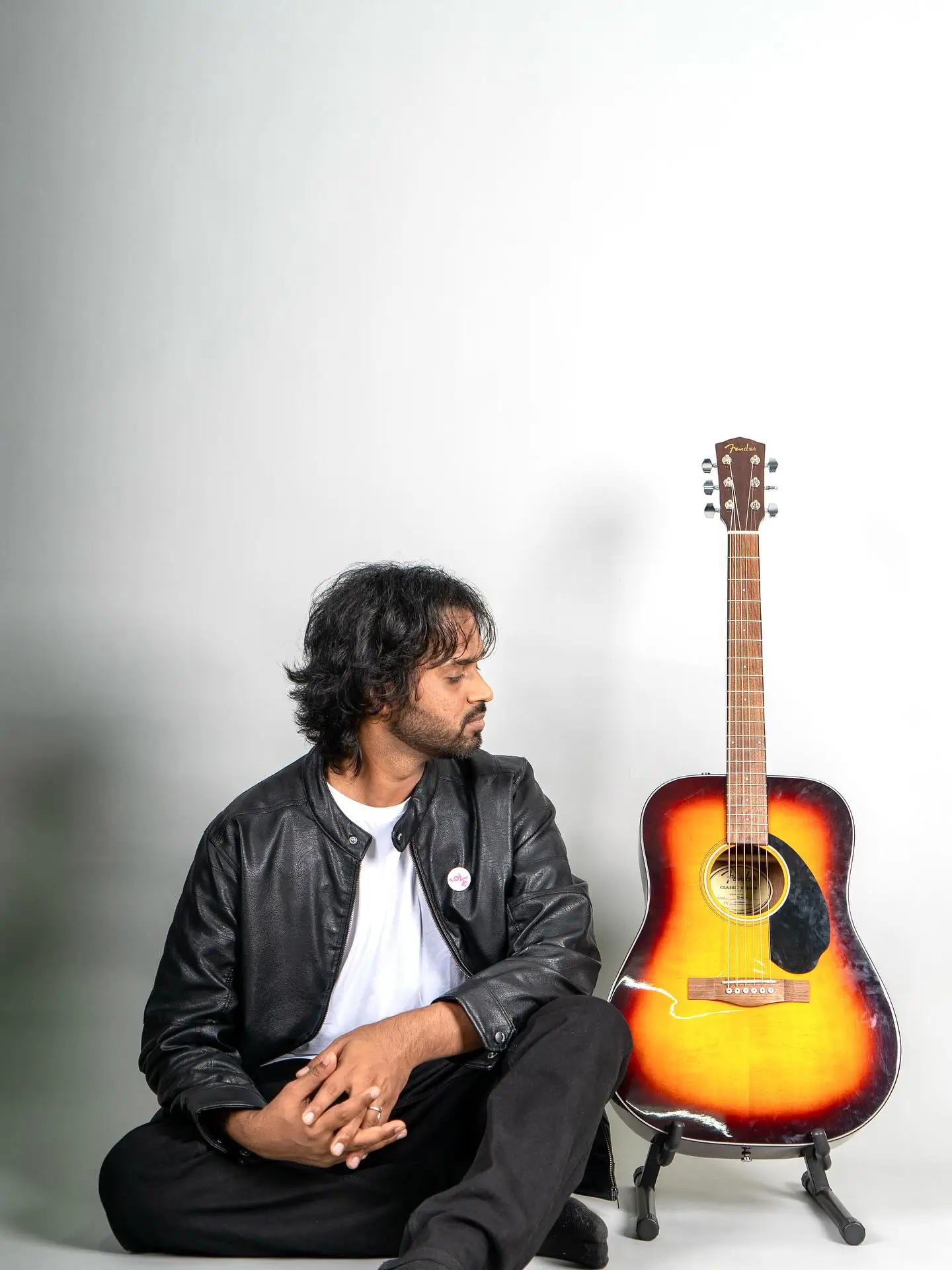

Six months ago I was helping a 23-year-old film-school graduate in Jaipur set up his first proper home studio. His budget: ₹80,000. He wanted to record podcasts, mix his student film projects, and eventually start cutting voiceovers for ad work. Below is the exact build we landed on after testing alternatives, the prices as of May 2026, and what I'd change six months later knowing what I know now. No affiliate gear lists — this is what works in a real Indian bedroom with ceiling fans, neighbours, and 35°C summer heat.
What ₹80,000 buys you in 2026 (and what it doesn't)
Eighty thousand rupees in 2026 buys a working professional-grade home studio that can record commercial-quality voice, mix music demos to release standard, and produce podcast episodes that pass radio-quality benchmarks. It does not buy you a tracking room for full bands, an Apollo interface, or a pair of mid-field monitors. Set expectations correctly and the budget is generous; expect Mumbai-studio quality and you'll be disappointed.
The split that works: ₹22,000 microphone, ₹18,000 audio interface, ₹16,000 monitors, ₹8,000 headphones, ₹10,000 room treatment, ₹6,000 mic stand and cables and accessories. Total: ₹80,000. Each category below explains why those numbers and what alternatives we tested.
The microphone: ₹22,000 budget
We tested three condenser mics in this range across a week of voice and acoustic guitar recording: Rode NT1 5th Generation (₹22,000), Lewitt LCT 440 Pure (₹26,000 — over budget but tested anyway), and Audio-Technica AT2035 (₹14,500).
Winner: Rode NT1 5th Gen. The 5th-gen redesign added a built-in 32-bit analog-to-digital converter and USB output, so you can use it without an interface if needed — useful for backup. As an XLR mic into the recommended interface below, it captures voice with a smooth top end and almost no self-noise (4dB). For Indian male voices with the typical 100–250 Hz fundamental, the NT1 has a slight presence boost at 5kHz that adds intelligibility without harshness.
The AT2035 at ₹14,500 is the budget winner if you need to save ₹7,500 — usable for voice but compares badly on acoustic guitar where the top end sounds flat. The Lewitt sounds slightly more "expensive" but isn't worth the ₹4,000 stretch for this build.

The audio interface: ₹18,000 budget
This is where the bedroom-studio interface market got crowded in 2025–26. We compared four units: Focusrite Scarlett 2i2 4th Gen (₹17,500), SSL 2+ MK2 (₹22,500), Universal Audio Volt 2 (₹19,500), and Audient iD14 MK2 (₹26,000).
Winner: Focusrite Scarlett 2i2 4th Gen at ₹17,500. The 4th Gen redesign actually moved the dial — better preamps (now 69dB of clean gain, important for low-output dynamic mics), USB-C connection, and a noticeable improvement in latency on Apple Silicon Macs. For ₹17,500 it punches well above its weight.
The SSL 2+ has better-sounding preamps and the 4K mode adds an analog character. But ₹5,000 more for that feature isn't justified for podcast and demo work. The Audient iD14 MK2 has the best converters of the four but is overkill at this budget. If you ever expand to ₹1,50,000+ budget, jump straight to UA Apollo Twin instead of upgrading within this range.
The monitors: ₹16,000 budget for a pair
This is where Indian bedroom studios most often go wrong. Buying ₹40,000 speakers for an untreated 10×12 room is wasted money — your room kills 60% of what the monitors deliver. Budget appropriately.
Winner: Kali Audio LP-6 V2 at ₹15,500 the pair (Bajaao pricing, May 2026). The LP-6 V2 has flat response, boundary-EQ switches for desk and wall placement, and a sound that's honest without being harsh. PreSonus Eris E5 (₹14,000) is the budget alternative and acceptable but the bass response is looser and the highs are slightly hyped — you'll mix bass-light and dull on Eris.
JBL 305P MK II (₹19,000) is the upgrade if you can stretch — slightly better stereo image and tighter bass — but for ₹3,500 over the Kali, only worth it if you're mixing music for paid clients. For podcast and voice work, the LP-6 V2 is more than enough.
The headphones: ₹8,000 budget
One pair of closed-back headphones for tracking (no monitor bleed into the mic) and rough mixing on the move.
Winner: Sennheiser HD 280 Pro at ₹8,000 (Heera Sound, Jaipur, May 2026). Bombproof build, neutral response, isolates well during voice recording. The Audio-Technica ATH-M40x at ₹9,500 is the upgrade alternative — slightly warmer, more comfortable for long sessions. AKG K371 at ₹12,000 is the best-sounding of the three but over budget here.
Avoid: Beyerdynamic DT 770 (₹15,000) — better sound but the impedance versions get confused (32 ohm vs 80 ohm vs 250 ohm), and the wrong one for your interface kills volume. Avoid wireless headphones for studio use entirely — Bluetooth latency makes tracking impossible.

Room treatment: ₹10,000 budget (the most ignored item)
Untreated rooms ruin good gear. A ₹22,000 mic in a hard-walled bedroom will sound worse than a ₹6,000 mic in a treated closet. Spend the ₹10,000 here properly.
The minimum treatment that works in a 10×12 bedroom: four 60×60×5cm acoustic foam panels at the first reflection points (₹4,000 from Studiokraft or Acoustic Solutions India), two bass traps in the back corners (₹3,500), one moving blanket behind the singer to absorb rear reflections during voice recording (₹2,000). Total: ₹9,500.
What this does: reduces flutter echo (the metallic ring you hear when you clap in an untreated room), improves bass clarity at the mix position, and gives vocal recordings a "dry" quality so you can add reverb in the mix without fighting the room's existing reverb. Our acoustic panels guide goes deeper on panel placement.
What this does not do: full soundproofing. Your neighbours will still hear you sing and you'll still hear traffic. Soundproofing is a different problem requiring mass and decoupling — minimum ₹40,000 budget on its own, separate from acoustic treatment.
The accessories: ₹6,000 for stand, cables, pop filter
Mic stand: Hercules MS533B at ₹3,500. Three-point base for stability, telescoping arm that holds the NT1 weight without drift. Avoid the ₹1,500 generic stands — they collapse mid-take. Our mic stand roundup tested ten options across this price range.
Cables: two 3m XLR cables (Mogami or Cordial brand) at ₹1,500 total. Avoid generic ₹400 cables — they introduce noise on long runs.
Pop filter: Stedman Proscreen XL at ₹2,500 — metal mesh design that doesn't degrade over time like nylon pop filters. Worth the upgrade over ₹500 plastic ones.
The total build, six months in
Rode NT1 5th Gen (₹22,000) + Focusrite Scarlett 2i2 4th Gen (₹17,500) + Kali LP-6 V2 pair (₹15,500) + Sennheiser HD 280 Pro (₹8,000) + Room treatment (₹9,500) + Stand and cables and pop filter (₹6,000) + Buffer for shipping (₹1,500) = ₹80,000 exactly.
What it produced after six months: the film-school graduate cut two podcast episodes that aired on a Jaipur FM station, mixed his thesis film audio to passing professional standard, and recorded voiceover demos that got him three paid ad-work bookings. The build proved professionally usable in six months.
What I would change knowing what I know now
If I rebuilt this today with no constraints, two changes: I'd skip the Kali LP-6 V2 and use the saved ₹15,500 toward the Sennheiser HD 600 open-back headphones (₹26,000) plus a Mackie CR3 nearfield pair (₹8,500) — mixing primarily on headphones, using cheap nearfields only for translation checks. This works better in untreated or partially treated rooms.
The second change: spend ₹2,000 extra on better acoustic treatment (one extra bass trap) and ₹2,000 less on the mic stand by going with a desk-mounted boom arm (Rode PSA1+, ₹6,000) which actually works better for spoken-word recording. The boom arm setup also frees floor space in small bedrooms.
What you skip until later (the wishlist)
Reflection filter behind the mic (₹4,500 — useful but the moving blanket does 80% of the work), dual-monitor stand (₹3,500 — ergonomically nice, not essential), tube preamp like the Warm Audio WA-12 (₹35,000 — the Scarlett's preamp is fine for this stage), and a second microphone for variety (skip until you have a paying client who needs a specific mic character).
For learning to use the gear properly, our 12NOTEZ home studio mentorship walks new producers through setup and first sessions in person. Hardware reviews keep coming on our blog at 12NOTEZ Gear Reviews. For deep-dive product specs, Bajaao India publishes verified Indian pricing at Bajaao.
The honest verdict on this build
If you're starting a podcast in 2026, recording your own indie music demos, or cutting student film audio, this ₹80,000 setup will outlast three years of work without bottlenecks. It will not turn a bad recording space into a Mumbai studio, and it won't replace the producer's ear. But every piece in this list earned its place across six months of daily use in a 10×12 Jaipur bedroom. That's what "tested in India" actually means.
Frequently Asked Questions
What is the best home studio setup under ₹80,000 in India for 2026?
Rode NT1 5th Gen mic (₹22,000), Focusrite Scarlett 2i2 4th Gen interface (₹17,500), Kali Audio LP-6 V2 monitors (₹15,500/pair), Sennheiser HD 280 Pro headphones (₹8,000), basic acoustic treatment (₹9,500), and accessories (₹6,000). Total exactly ₹80,000, tested six months in real conditions.
Do I need acoustic treatment if I have good gear at home?
Yes — untreated rooms ruin good gear. A ₹22,000 mic in a hard-walled bedroom sounds worse than a ₹6,000 mic in a treated closet. Minimum treatment for a 10×12 bedroom: four 60×60 foam panels at reflection points, two bass traps, one moving blanket. Total ₹9,500.
Which microphone is best for Indian male voice recording in 2026?
The Rode NT1 5th Generation at ₹22,000 — smooth top end, low self-noise (4dB), and a presence lift at 5kHz that adds intelligibility for the 100–250 Hz fundamental of typical Indian male voices. The Audio-Technica AT2035 at ₹14,500 is the budget runner-up if you need to save ₹7,500.
Should I buy studio monitors or just use headphones for home production?
In an untreated room, headphones outperform monitors for ₹16,000 budget — the room kills 60% of what affordable monitors deliver. Open-back headphones like Sennheiser HD 600 (₹26,000) plus a cheap nearfield pair like Mackie CR3 (₹8,500) for translation checks works better than mid-range monitors alone.
Can I record professional podcasts and voiceovers on this ₹80,000 setup?
Yes — the build has been tested across podcast recording for FM airing, thesis film audio mixing to professional standard, and paid voiceover demos for ad-work. For voice and podcast use specifically, ₹80,000 is generous; you can produce broadcast-quality results within the first six months of consistent use.