Bollywood Singing Tips: Improve Your Voice

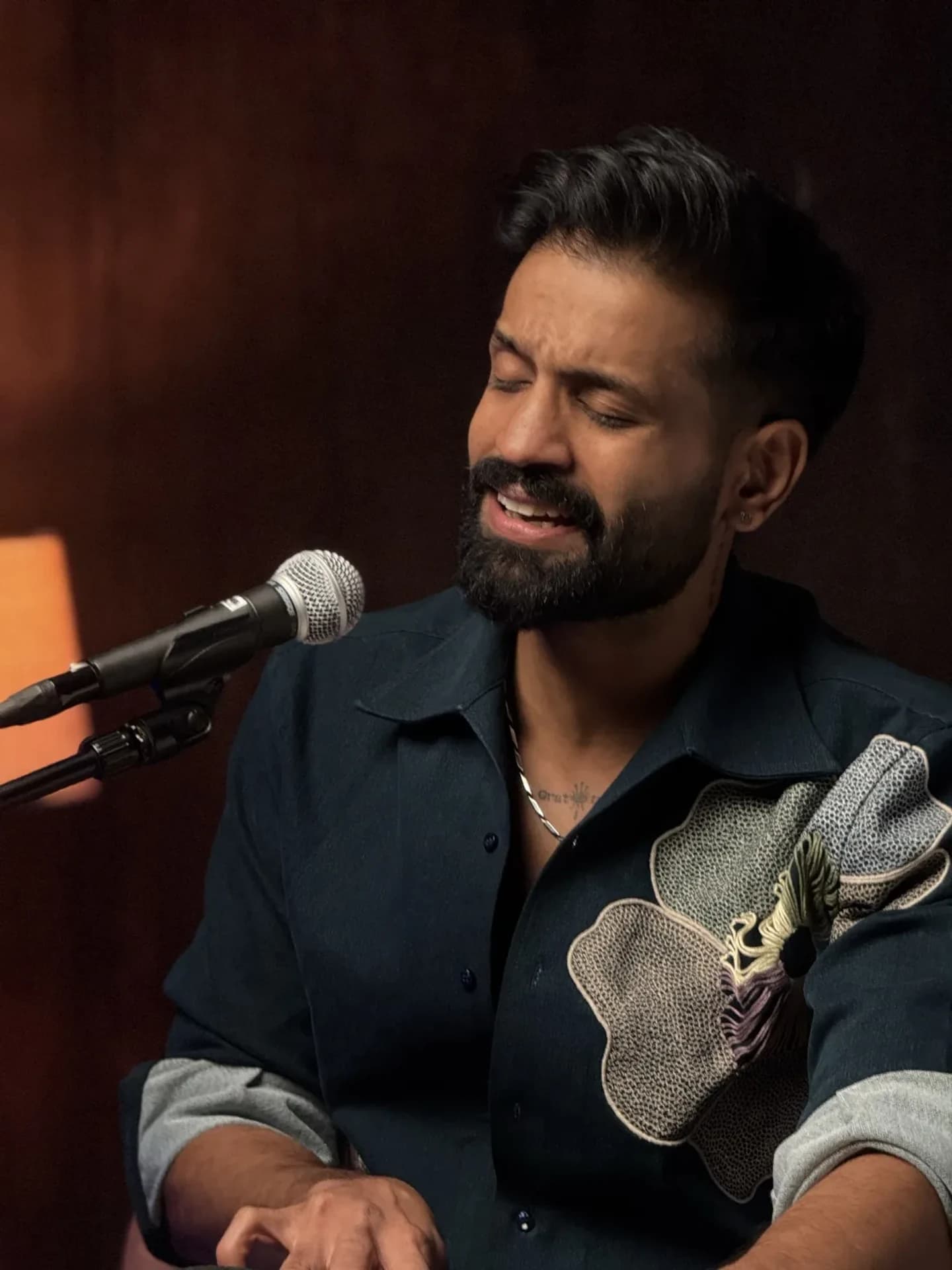
Introduction to Bollywood Singing
Bollywood singing is a unique and expressive style of vocal performance that requires a deep understanding of Indian classical music, as well as the ability to convey emotion and drama through song. As an aspiring singer in India, you may dream of singing like your favorite Bollywood stars, but may not know where to start. Here we'll provide you with expert Bollywood singing tips to help you improve your voice and become a skilled singer.
Understanding Indian Classical Music
Indian classical music is the foundation of Bollywood singing, and it is essential to understand the basics of this style of music to become a good Bollywood singer. Indian classical music is characterized by its use of Ragas, which are melodic modes that create a specific mood or atmosphere. To learn Indian classical music, you can start by listening to recordings of famous Indian classical singers, such as Lata Mangeshkar or Asha Bhosle, and try to imitate their styles.

Vocal Training for Bollywood Singing
Vocal training is crucial for any aspiring singer, and it is especially important for Bollywood singing. To improve your voice, you should start by practicing basic vocal exercises, such as lip trills and tongue trills, to loosen up your vocal cords and improve your pitch and tone. You can also practice singing along with your favorite Bollywood songs to get a feel for the style and to develop your own unique sound.
Recording Yourself
Recording yourself is an excellent way to track your progress and identify areas for improvement. You can use a digital audio workstation (DAW) like Logic Pro or FL Studio to record and edit your vocals. These software programs are available in India for around ₹15,000 to ₹30,000, depending on the version and the vendor. You can also use a USB microphone like the Blue Yeti, which is available in India for around ₹10,000 to ₹15,000, to record high-quality audio.
Top 10 Bollywood Singing Tips
Here are the top 10 Bollywood singing tips to help you improve your voice like a pro:
- Practice regularly: Practice is essential to improve your singing voice. Set aside time each day to practice singing, and try to practice for at least 30 minutes to an hour.
- Warm up your voice: Before you start singing, make sure to warm up your voice with some simple vocal exercises, such as lip trills or tongue trills.
- Learn to breathe properly: Proper breathing is essential for good singing. Learn to breathe deeply and naturally, and try to avoid shallow breathing.
- Develop your own style: Don't try to imitate other singers. Instead, try to develop your own unique style and sound.
- Learn to sing with emotion: Bollywood singing is all about conveying emotion and drama through song. Learn to sing with feeling and passion, and try to connect with the lyrics of the song.
- Practice singing in different languages: Bollywood songs are often sung in different languages, including Hindi, Urdu, and Punjabi. Practice singing in different languages to improve your pronunciation and diction.
- Learn to sing with a band: Bollywood songs often feature a full band, including instruments like the guitar, piano, and drums. Practice singing with a band to improve your timing and coordination.
- Take care of your voice: Take care of your voice by avoiding loud noises, staying hydrated, and getting plenty of rest.
- Seek feedback: Seek feedback from others, such as vocal coaches or fellow singers, to help you identify areas for improvement.
- Be patient: Improving your singing voice takes time and practice. Be patient and don't get discouraged if you don't see improvement right away.
Music Classes in Jaipur
If you're looking for professional music classes in Jaipur, consider enrolling in music classes at 12NOTEZ, which offer vocal training and instruction in a supportive and encouraging environment. With experienced instructors and a focus on helping you achieve your musical goals, these classes are an excellent way to improve your singing voice and become a skilled Bollywood singer.

The Daily Riyaaz Schedule Top Bollywood Singers Follow
Sonu Nigam, Arijit Singh, Shreya Ghoshal, and other top Bollywood playback singers have shared their practice routines in various interviews. Here's a synthesized daily schedule based on their public statements and the curriculum at India's leading music institutions (KM Music Conservatory, Sangeet Research Academy):
- Morning (5:30 AM - 7:00 AM) — Voice opening: 30 minutes of "Sa" hold on a tanpura drone. Use our free online tanpura tool to set your scale. Start in your comfortable middle octave, then explore lower and upper octaves. This is your most important practice slot.
- Morning (7:00 AM - 7:30 AM) — Aalankar: Practice melodic patterns (Sa-Re-Ga-Ma, Sa-Re-Ga-Ma-Re-Sa, etc.) in three speeds — slow (vilambit), medium (madhya), and fast (drut). This builds vocal agility crucial for Bollywood-style melisma.
- Mid-morning (10:00 AM - 11:00 AM) — Raga study: Pick one raga and explore it deeply. Start with simple ragas like Yaman, Bhairavi, or Khamaj. Sing alaap (introduction), then bandish (composition).
- Afternoon (2:00 PM - 3:00 PM) — Bollywood song practice: Pick one Bollywood song that matches your range. Learn it phrase-by-phrase. Focus on diction, ornamentation (murki, harkat, gamak), and breath control.
- Evening (6:00 PM - 7:00 PM) — Tappa, Thumri, or Ghazal: These light classical forms train you in expressive singing — exactly what Bollywood demands.
Most Bollywood singers practice 4-6 hours daily even after becoming famous. Arijit Singh has stated in interviews that he still does morning riyaaz before every recording session.
Voice Types in Bollywood: Find Yours
Bollywood music has four broad vocal styles. Identifying yours saves years of trying to sound like someone you're not:
- Classical-trained playback (Sonu Nigam, K.K., Shreya Ghoshal): Deep raga knowledge, controlled ornaments, vibrato in middle range. Requires 8-10+ years of formal training.
- Soft melodic (Arijit Singh, Atif Aslam, Jubin Nautiyal): Smooth, breathy lower-mid range, gentle harkat. Focuses on emotional delivery over vocal acrobatics. Achievable with 3-5 years of focused training.
- Powerful/folk (Sukhwinder Singh, Daler Mehndi, Mika Singh): Strong chest voice, regional folk influence (Punjabi, Bhojpuri), loud projection without strain. Naturally suited for high-energy dance numbers.
- Indie/modern (Anuv Jain, Prateek Kuhad, Ritviz): Conversational singing, less ornamentation, more focus on lyrics and melody. Easier entry point for self-taught singers.
Listen to 10 songs each from singers in each category. Notice which style your voice naturally gravitates toward. Don't fight your natural voice — refine it.
Common Mistakes That Damage Indian Singers' Voices
- Shouting in chest voice instead of using head voice/mixed voice. When trying to hit high notes like Sonu Nigam, beginners push their chest voice too high. This causes nodules. Learn to switch to mixed voice for notes above your natural break.
- Skipping warm-ups before karaoke sessions or studio recordings. 5 minutes of warm-ups before any heavy singing prevents permanent vocal cord damage.
- Drinking cold water during practice. Cold liquid contracts vocal cords. Drink room-temperature water with a pinch of black salt — this is what Lata Mangeshkar's reported daily routine included.
- Singing through illness. Singing with a sore throat or cough can cause lasting damage. Take 3-4 days off and recover fully.
- Ignoring acid reflux. Spicy food, late dinners, and acidic drinks irritate the larynx. Many Indian singers have undiagnosed reflux that hurts their high notes. Eat dinner at least 3 hours before sleeping.
- Smoking and shisha/hookah. Even occasional smoking destroys the smooth, clean tone Bollywood requires. Look at the singers who lost their voices in their 40s — almost all were smokers.
Microphone Technique for Bollywood Recording
Bollywood vocals have a distinctive close-mic intimate sound. Here's how to replicate it:
- Distance: Lips 3-4 inches (10 cm) from the mic for normal singing. Move back to 6-8 inches for loud passages to avoid distortion.
- Angle: Slightly off-axis (point your chin at the mic, not your mouth) reduces plosives (popping P and B sounds).
- Pop filter: Essential. Place it 1 inch from the mic. ₹500 saves you hours of de-essing in post.
- Microphone choice: For home recording, Audio-Technica AT2020 (₹8,500) or Rode NT1 (₹16,000). For studio-grade Bollywood vocals, Neumann TLM 103 (₹95,000) — what most Mumbai vocal studios use.
- Room treatment: Bollywood vocals need a dead, dry room. If recording at home, hang thick blankets behind you and on side walls to absorb reflections.
How to Master Murki, Harkat, and Gamak (Bollywood Ornaments)
These three ornaments separate amateur Bollywood singers from professionals:
- Murki: Very fast 2-3 note flicker around a main note. Example: instead of singing "Saaaaaa", sing "Sa-Re-Sa-Sa". Listen to Shreya Ghoshal's runs in "Teri Ore" — every other syllable has a murki.
- Harkat: Longer melodic phrase added between main notes. Bollywood signature. Listen to Arijit's harkats in "Tum Hi Ho" — they're the emotional peaks of the song.
- Gamak: Heavy oscillation between two notes, like a bold vibrato. Used in classical-leaning songs. Listen to Sonu Nigam in "Kal Ho Naa Ho" — the held notes use gamak.
Practice exercise: pick one murki/harkat from a famous song and sing it 100 times daily for a week. Then move to the next one. This is how Bollywood singers internalize ornaments.
Diction in Hindi vs Urdu vs Punjabi Bollywood Songs
Modern Bollywood blends three languages. Singers who master diction in all three get more work:
- Hindi: Crisp consonants, clear vowel separation. Practice with songs by Sonu Nigam, who has impeccable Hindi diction.
- Urdu: Soft palatal consonants (kh, gh, q), rounded vowels, longer held notes. Practice with ghazals by Jagjit Singh or modern Urdu-heavy songs by Arijit ("Channa Mereya", "Ae Dil Hai Mushkil").
- Punjabi: Open chest voice, regional inflection on words ending in "-aa" and "-iye". Practice with Sukhwinder Singh's "Chaiyya Chaiyya" or any Diljit Dosanjh song.
Recording Your First Bollywood Demo (Step-by-Step)
- Pick a song that matches your vocal range and style. Choose a karaoke track from YouTube (search "[song name] karaoke with lyrics").
- Practice the song 30+ times before recording. Memorize every word, every breath.
- Record in a quiet room. Turn off fans, ACs, and phones.
- Record 3-5 takes of the full song. Don't try to get it perfect in one take.
- Comp (combine) the best phrases from each take in your DAW.
- Apply: 80 Hz high-pass filter, 200 Hz dip (-2 dB) to remove muddiness, 5 kHz boost (+2 dB) for presence, gentle compression (3:1 ratio, slow attack), de-esser, light plate reverb.
- Upload to YouTube or SoundCloud. Share with the 12NOTEZ Jaipur community for feedback.
Where to Study Bollywood Singing in Jaipur
If you're serious about pursuing Bollywood singing, formal training is non-negotiable. At 12NOTEZ Music Studio Jaipur, we offer:
- Foundation course (3 months): Voice basics, breathing, swar identification, simple Hindi songs.
- Bollywood vocal track (6 months): Ornament training, language diction, song interpretation, on-mic recording technique.
- Performance prep (3 months): Live performance training, stage presence, audition coaching for reality shows and YouTube playbacks.
Sessions are taught by Shriya Rehi and visiting Mumbai playback artists. Many students have gone on to record original songs and reach top-100 on regional Spotify charts.
The Bottom Line
To sum up, improving your Bollywood singing voice takes time, practice, and dedication. By following these expert tips and techniques, you can develop your own unique style and sound, and become a skilled singer in your own right. Remember to always practice regularly, warm up your voice, and learn to breathe properly, and don't be afraid to seek feedback and try new things. With patience, persistence, and a passion for music, you can achieve your dreams and become a star in the world of Bollywood singing.
Frequently Asked Questions
How long does it take to learn Bollywood singing?
Most aspiring singers need 2–3 years of consistent daily practice (45–60 minutes) to develop a reliable Bollywood voice. Reaching a recording-ready level usually takes 5+ years with structured vocal training, breath control work, and exposure to classical foundations like Hindustani raga grammar.
Do I need formal classical training to sing Bollywood?
You don't need formal training to start, but most successful Bollywood playback singers (Arijit Singh, Shreya Ghoshal, KK) had years of Hindustani classical foundations. Even 6 months of basic raga and taal training will dramatically improve your pitch accuracy and ornamentation.
What is the best daily practice routine for Bollywood vocals?
A solid daily routine: 10 minutes of swaras (sa re ga ma) with tanpura, 10 minutes of breath exercises, 20 minutes of song practice (focus on one song per week), and 15 minutes of listening to your idols actively. Total: 55 minutes.
Can I record Bollywood-style vocals at home in India?
Yes — with a ₹8,000 Audio-Technica AT2020 condenser mic, a ₹8,000 Focusrite Scarlett Solo interface, and a treated corner of your room, you can record demos that A&Rs will take seriously. For final masters, book a few hours at a professional studio (₹1,500–4,000/hour in Jaipur).