Riyaaz Practice for Indian Classical Musicians

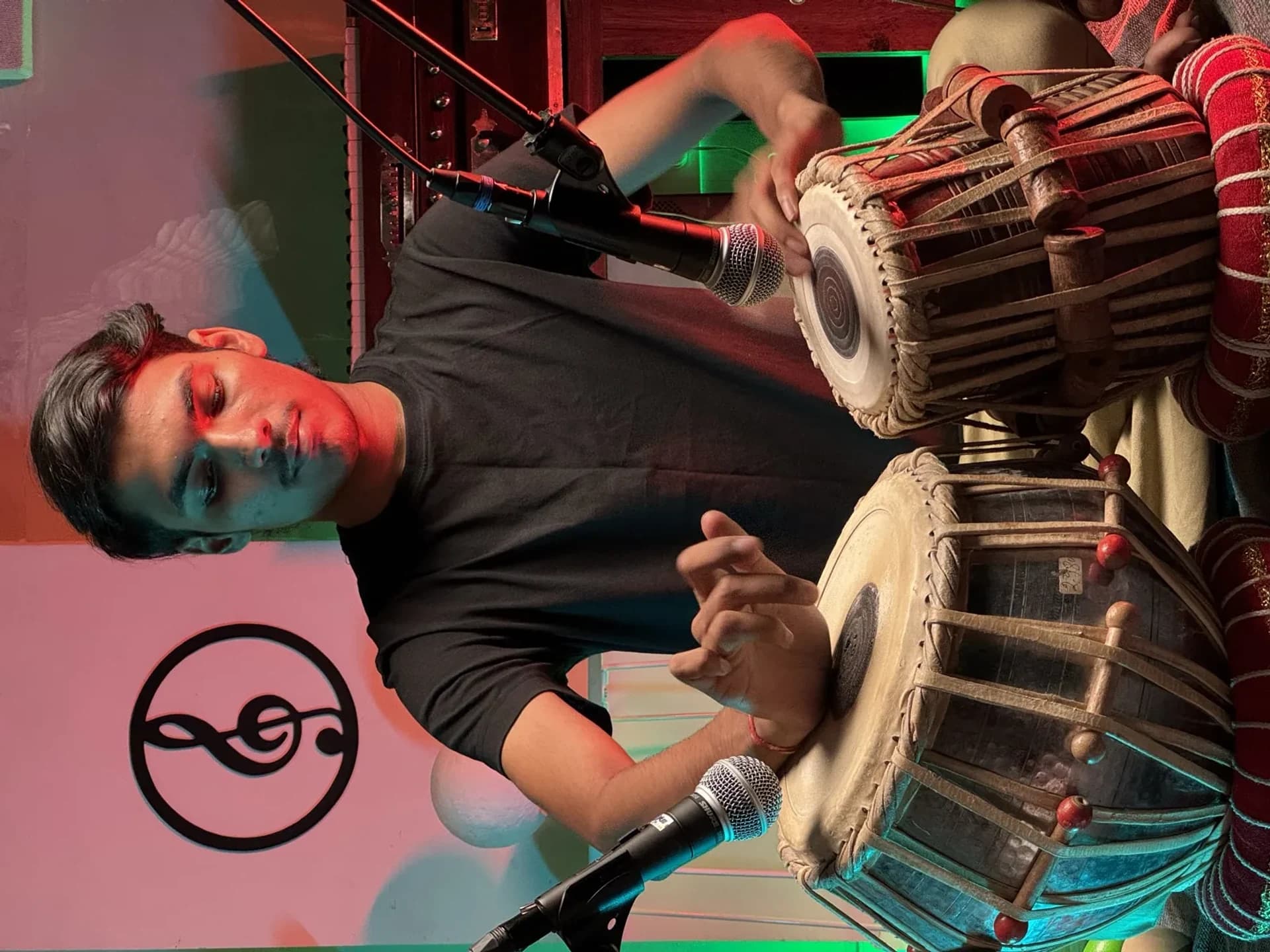
Understanding Riyaaz Practice in Indian Classical Music
Indian classical music is known for its rich heritage and complex nuances, and the key to mastering this genre lies in the rigorous practice discipline known as riyaaz. Riyaaz is a term used to describe the daily practice routine of Indian classical musicians, which involves dedicated and consistent effort to improve their skills. In this blog post, we will delve into the world of riyaaz practice and explore how Indian classical musicians approach their daily practice routine.
Riyaaz is not just about practicing music, but it's a way of life for Indian classical musicians. It requires a deep commitment to the art form and a willingness to dedicate oneself to the pursuit of excellence. The practice routine typically starts early in the morning and can last for several hours, with a focus on specific aspects of music such as swar (notes), lay (rhythm), and taal (time cycle).
The riyaaz practice routine is designed to help musicians develop their technical skills, as well as their emotional expression and interpretation of the music. It involves a combination of physical practice, mental concentration, and spiritual connection with the music. Indian classical musicians believe that riyaaz is essential for achieving mastery over their instrument or voice, and for conveying the emotions and feelings that are embedded in the music.
Some of the key elements of riyaaz practice include:
- Swar practice: This involves practicing the seven natural pitches within an octave, as well as the various ornamentations and embellishments that are characteristic of Indian classical music.
- Lay practice: This involves practicing different rhythms and time cycles, including the complex polyrhythms that are typical of Indian classical music.
- Taal practice: This involves practicing the various time cycles and rhythmic patterns that are used in Indian classical music, including the teen taal and ek taal.

How Do Indian Classical Musicians Structure Their Riyaaz Practice?
Indian classical musicians typically structure their riyaaz practice around a daily routine that includes a combination of physical practice, mental concentration, and spiritual connection with the music. The practice routine may vary depending on the individual musician and their specific goals and objectives, but it typically involves a series of steps that are designed to help them develop their technical skills, as well as their emotional expression and interpretation of the music.
Here are the steps involved in a typical riyaaz practice routine:
- Warm-up exercises: This involves doing some light physical exercises to loosen up the fingers and get the blood flowing to the brain.
- Swar practice: This involves practicing the seven natural pitches within an octave, as well as the various ornamentations and embellishments that are characteristic of Indian classical music.
- Lay practice: This involves practicing different rhythms and time cycles, including the complex polyrhythms that are typical of Indian classical music.
- Taal practice: This involves practicing the various time cycles and rhythmic patterns that are used in Indian classical music, including the teen taal and ek taal.
- Composition practice: This involves practicing specific compositions or pieces of music, including khayal, dhrupad, and thumri.
Indian classical musicians may also use various tools and resources to aid their riyaaz practice, including tambura or tanpura for accompaniment, and metronome or tabla machine for rhythm practice. They may also listen to recordings of other musicians or attend concerts and workshops to learn from others and get inspiration.
What Are the Benefits of Riyaaz Practice for Indian Classical Musicians?
Riyaaz practice is essential for Indian classical musicians, as it helps them develop their technical skills, as well as their emotional expression and interpretation of the music. The benefits of riyaaz practice include:
- Improved technical skills: Riyaaz practice helps musicians develop their technical skills, including their ability to play or sing with precision, accuracy, and expression.
- Increased musical knowledge: Riyaaz practice helps musicians learn about the various aspects of Indian classical music, including the different ragas, talas, and compositions.
- Enhanced emotional expression: Riyaaz practice helps musicians connect with the emotions and feelings that are embedded in the music, and express them in a way that is authentic and meaningful.
- Spiritual growth and connection: Riyaaz practice is not just about physical practice, but also about spiritual connection with the music and the divine. It helps musicians cultivate a sense of inner peace, calmness, and fulfillment.
Riyaaz practice is a lifelong journey for Indian classical musicians, and it requires dedication, discipline, and perseverance. With regular practice and a strong commitment to the art form, musicians can achieve mastery over their instrument or voice, and convey the emotions and feelings that are embedded in the music.

How to Incorporate Riyaaz Practice into Your Daily Routine
Incorporating riyaaz practice into your daily routine can be challenging, but it's essential for improving your skills and achieving mastery over Indian classical music. Here are some tips to help you get started:
First, set aside a specific time each day for riyaaz practice, and stick to it consistently. This could be early in the morning, or later in the evening, depending on your schedule and preferences. Second, create a practice routine that includes a combination of physical practice, mental concentration, and spiritual connection with the music. Third, use various tools and resources to aid your practice, including tambura or tanpura for accompaniment, and metronome or tabla machine for rhythm practice.
For example, you can start with a 30-minute practice session each day, and gradually increase the duration as you become more comfortable with the routine. You can also listen to recordings of other musicians or attend concerts and workshops to learn from others and get inspiration. Also, you can join music classes at 12NOTEZ to learn from experienced teachers and get feedback on your practice.
Some of the best products for riyaaz practice include:
- Tanpura: A stringed instrument that provides a drone accompaniment for practice. (₹8,000 - ₹12,000)
- Tabala: A percussion instrument that provides a rhythmic accompaniment for practice. (₹5,000 - ₹10,000)
- Metronome: A tool that helps you keep a steady rhythm and timing. (₹1,000 - ₹3,000)
India-Specific Tips for Riyaaz Practice
Riyaaz practice is an essential part of Indian classical music, and it requires a deep understanding of the cultural and historical context of the music. In India, riyaaz practice is not just about physical practice, but also about spiritual connection with the music and the divine. Here are some India-specific tips for riyaaz practice:
First, find a qualified teacher or guru who can guide you in your riyaaz practice and provide feedback on your progress. Second, learn about the various aspects of Indian classical music, including the different ragas, talas, and compositions. Third, attend concerts and workshops to learn from other musicians and get inspiration.
In India, you can find many resources for riyaaz practice, including music schools, colleges, and universities that offer courses in Indian classical music. You can also find many experienced teachers and gurus who can provide guidance and feedback on your practice. Some of the best places to buy musical instruments and accessories in India include:
- Delhi: Chandni Chowk, Karol Bagh, and Connaught Place are some of the best places to buy musical instruments and accessories in Delhi.
- Mumbai: Colaba, Bandra, and Andheri are some of the best places to buy musical instruments and accessories in Mumbai.
- Jaipur: Johari Bazaar, Bapu Bazaar, and Mirza Ismail Road are some of the best places to buy musical instruments and accessories in Jaipur.
The prices of musical instruments and accessories in India vary depending on the quality, brand, and location. However, you can find many affordable options, including:
| Instrument | Price Range |
|---|---|
| Tanpura | ₹8,000 - ₹12,000 |
| Tabala | ₹5,000 - ₹10,000 |
| Metronome | ₹1,000 - ₹3,000 |
Frequently Asked Questions
What is riyaaz practice in Indian classical music?
Riyaaz practice is a daily routine of physical practice, mental concentration, and spiritual connection with the music, designed to help musicians develop their technical skills, as well as their emotional expression and interpretation of the music.
How long should I practice riyaaz each day?
The duration of riyaaz practice can vary depending on the individual musician and their specific goals and objectives, but it's generally recommended to practice for at least 30 minutes to 1 hour each day.
What are the benefits of riyaaz practice for Indian classical musicians?
The benefits of riyaaz practice include improved technical skills, increased musical knowledge, enhanced emotional expression, and spiritual growth and connection.
How can I incorporate riyaaz practice into my daily routine?
You can incorporate riyaaz practice into your daily routine by setting aside a specific time each day for practice, creating a practice routine that includes a combination of physical practice, mental concentration, and spiritual connection with the music, and using various tools and resources to aid your practice.
What are some of the best products for riyaaz practice?
Some of the best products for riyaaz practice include tanpura, tabala, and metronome, which can be found in music stores or online marketplaces in India.
Where can I find a qualified teacher or guru for riyaaz practice in India?
You can find a qualified teacher or guru for riyaaz practice in India by searching online, asking for referrals from friends or family members, or visiting music schools, colleges, and universities that offer courses in Indian classical music.
Wrapping Up
Riyaaz practice is an essential part of Indian classical music, and it requires a deep understanding of the cultural and historical context of the music. By incorporating riyaaz practice into your daily routine, you can improve your technical skills, as well as your emotional expression and interpretation of the music. Remember to set aside a specific time each day for practice, create a practice routine that includes a combination of physical practice, mental concentration, and spiritual connection with the music, and use various tools and resources to aid your practice.
With dedication and perseverance, you can achieve mastery over Indian classical music and convey the emotions and feelings that are embedded in the music. Whether you're just starting out or an experienced musician, riyaaz practice is an essential part of your journey, and it can help you reach new heights of musical excellence.
To sum up, riyaaz practice is a powerful tool for Indian classical musicians, and it can help you achieve your musical goals and aspirations. So, start your riyaaz practice journey today, and discover the beauty and richness of Indian classical music.