Teach Music to Kids in India: Tips for Parents and Teachers
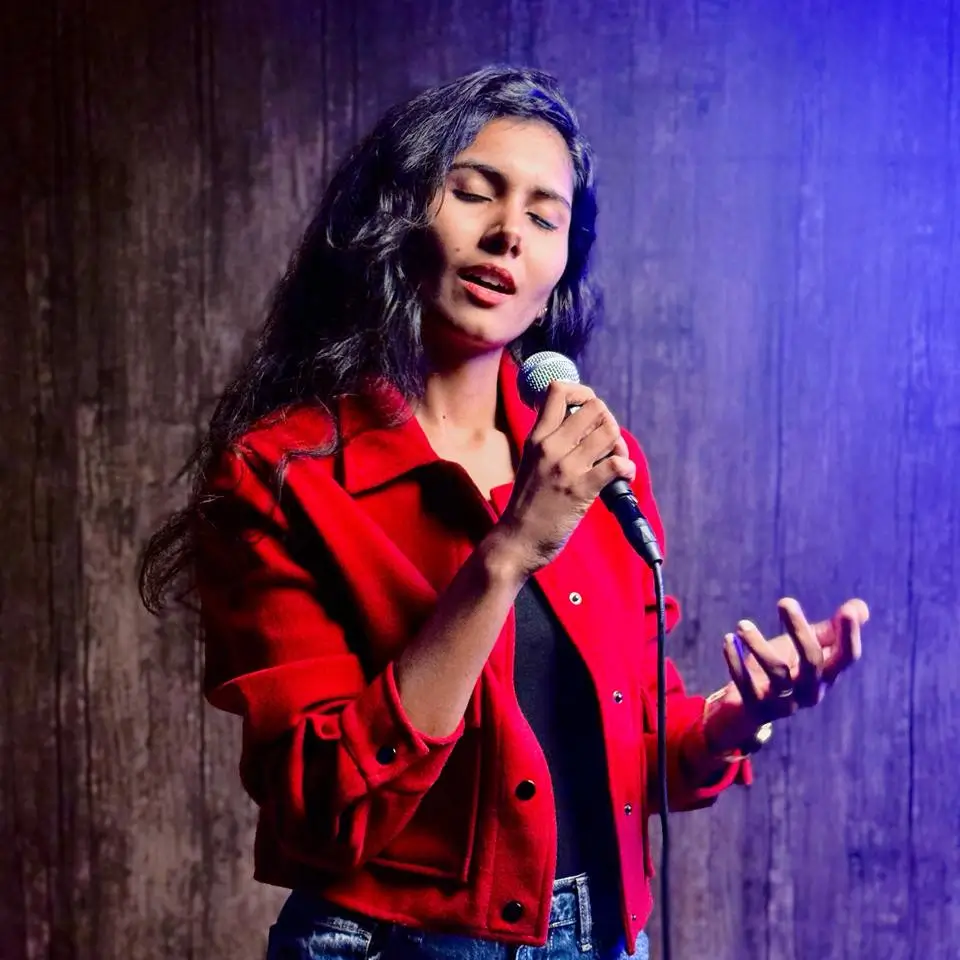

The 4-Year-Old Who Sang Sa Re Ga Before She Could Read
Her name was Anvi. She walked into our 12NOTEZ Jaipur classroom in 2022, barely four, dragged by a nervous mother who apologised three times — "She won't sit still for five minutes." I handed Anvi a small dholak and hummed Sa. Within 30 seconds she was slapping the skin in rhythm, grinning. Three years later, at seven, she performs Raga Bhupali at school annual days without a mic.
I've taught vocal music to kids aged 3–14 for six years now. The single biggest lesson: children don't learn music the way adults do. Force a five-year-old into sargam drills and you'll kill the spark in a week. But design lessons around play, rhythm, and storytelling? They absorb pitch, tempo, and even complex taals faster than any adult student I've trained.
This guide is for parents and teachers in India who want to start kids on music — whether Hindustani classical, Bollywood singing, or basic keyboard. I'll share the age-wise approach we use at 12NOTEZ, instrument recommendations with real ₹ pricing, a 12-week starter riyaaz plan, and the mistakes I've watched parents make (and how to avoid them).
Why Music Training Before Age 7 Matters
Neuroscience backs what Indian ustads have known for centuries — early music exposure rewires the brain. A 2023 study from the National Brain Research Centre, Manesar, found that children who began structured music training before age 7 showed 23% stronger auditory cortex connectivity compared to those who started at 10. That's not trivia. It means better pitch discrimination, faster language acquisition, and sharper working memory.
In the Indian context, this matters even more because Hindustani and Carnatic music use microtonal intervals (shrutis) that Western music ignores entirely. Training a child's ear on Sa-Re-Ga before age 7 literally gives them a perceptual advantage that's nearly impossible to develop after puberty. I've seen this firsthand — students who started at 5 hear the difference between shuddha and komal Re instinctively by age 8, while adult beginners struggle with the same distinction for months.
The Indian school system doesn't help. Music periods in most CBSE and ICSE schools are 30-minute afterthoughts with no curriculum. If you're relying on school alone, your child gets maybe 50 hours of music exposure across all of primary school. Compare that to the 400+ hours a child in our music classes at 12NOTEZ accumulates by age 8. The gap is enormous.

Age-Wise Music Activities: 3–5, 6–8, 9–12, 13+
One curriculum doesn't fit all ages. Here's the framework we use at 12NOTEZ, refined over 200+ students:
Ages 3–5: Rhythm and Play
No instrument lessons. No sargam. Pure rhythm and sound exploration. Activities include clapping games synced to Bollywood songs (kids love clapping to "Kal Ho Naa Ho" tempo), body percussion (stomping + slapping thighs = basic taal), and call-and-response singing where I hum two notes and they echo back. Instruments at this age: a ₹800 egg shaker, a ₹2,500 kid-size dholak, or simply kitchen utensils. Session length: 15–20 minutes max. Their attention span is real, and fighting it is pointless.
Ages 6–8: First Sargam and Instrument Introduction
Now you can introduce Sa Re Ga Ma Pa. Start with just five notes (Sa to Pa — the pentatonic range that Raga Bhupali uses). Instrument options: a Casio SA-47 keyboard (₹2,800–₹3,200) is perfect because the small keys fit small hands. For vocal students, pair practice with a tanpura drone app — even 5 minutes of singing Sa against a drone builds pitch memory. Weekly lesson + 10 minutes daily home practice = visible progress in 8 weeks.
Ages 9–12: Structured Learning
This is the golden window. Kids can handle 30-minute focused practice, understand rhythm mathematically (Teentaal has 16 beats — they get fractions), and start learning actual compositions (bandishes, bhajans, simple film songs). Instrument options expand: guitar (Kadence Acoustica ₹3,500), tabla pair (₹4,500–₹7,000 from Paltan Bazar), or keyboard upgrade to Yamaha PSR-E373 (₹11,500). At this age, group classes work brilliantly — peer motivation is powerful.
Ages 13+: Specialisation
Teenagers can choose a track: Hindustani vocal, Western guitar, keyboard/production, or percussion. They're ready for proper raga exploration (Yaman, Bhimpalasi, Malkauns), advanced taal patterns, and even basic music production on a laptop. At 12NOTEZ, our teenage students often transition into our music production program by 15.
Choosing the Right First Instrument (With ₹ Pricing)
Parents ask me this every single week: "Which instrument should my child learn first?" My answer depends on the child's age and temperament, not on what's trendy.
Keyboard (ages 5+): Best all-round starter. Visual layout teaches intervals. Casio SA-76 (₹3,800) for small kids, Yamaha PSR-E373 (₹11,500) for ages 8+. No tuning needed — plug in and play.
Tabla (ages 7+): Outstanding for rhythm-oriented kids. A decent student pair from Paltan Bazar or Hiren Roy costs ₹4,500–₹7,000. Warning: tabla requires a guru — YouTube alone won't teach proper hand positioning, and bad habits at this stage become permanent.
Guitar (ages 8+): Incredibly popular but often started too early. Children under 8 struggle with finger pressure on steel strings. Solution: start with a 3/4-size nylon-string classical (Kadence ₹2,800) rather than a full-size steel-string acoustic.
Vocal training (ages 4+): No instrument investment required. Just a tanpura app (free on Android) and a quiet corner. This is the most accessible entry point for families on a budget. Every child has a voice — the question is whether you train it early or let bad habits calcify.
Harmonium (ages 8+): Traditional choice for Hindustani classical. A 3.25-octave student model runs ₹5,500–₹9,000 in Jaipur's Johari Bazar music shops. The bellows mechanism teaches breath-phrase coordination naturally — something keyboard students miss.
The 12-Week Starter Riyaaz Plan
This is the exact plan I give parents at 12NOTEZ for kids aged 6–10 starting vocal training. It's designed for 10–15 minutes of daily practice — that's it. More than 15 minutes and young kids burn out.
Weeks 1–3: Sa and Pa only. Sing Sa against a tanpura drone. Hold for 4 seconds. Breathe. Repeat. Then Sa-Pa-Sa. Goal: rock-steady pitch on just two notes. Parents often want to rush this phase. Don't. This is the foundation everything else builds on.
Weeks 4–6: Add Re, Ga, Ma. Now the child sings Sa-Re-Ga-Ma-Pa in ascending order, then Pa-Ma-Ga-Re-Sa descending. Slow tempo. One note per breath. Use hand gestures (Sa = flat palm at navel, Re = slightly raised, etc.) — embodied learning sticks faster than abstract instruction.
Weeks 7–9: Simple patterns (paltas). Sa-Re-Sa, Re-Ga-Re, Ga-Ma-Ga — ascending in pairs. Then descend: Pa-Ma-Pa, Ma-Ga-Ma. These patterns build the motor memory for raga phrases later. 5 minutes on paltas + 5 minutes singing a simple bhajan (I usually start with "Raghupati Raghav Raja Ram" — kids know the melody already from school assemblies).
Weeks 10–12: Introduce Raga Bhupali (Sa Re Ga Pa Dha). Teach one simple bandish — just the sthayi (first line). The child performs it for family. This performance moment is critical — it transforms practice from chore to purpose. Every student I've seen complete this 12-week arc with consistent daily practice can hold pitch, sing basic patterns, and perform a short piece confidently.

Traditional Guru-Shishya vs Modern Academy: What Works in 2026?
This is a genuine debate in Indian music education, and I've lived both sides. I trained under Pandit Rajshekhar Mansur in the guru-shishya tradition — sitting for hours, absorbing through repetition, no structured curriculum. My students at 12NOTEZ get a blended approach: structured weekly lessons with progress tracking, but rooted in the raga-taal framework of Hindustani tradition.
Here's my honest assessment. Pure guru-shishya works for the rare child with extraordinary patience and a family that can commit years to one teacher. For the other 95% of Indian families in 2026 — where both parents work, the child has school from 8am to 3pm, then tuition, then homework — structured weekly classes with clear milestones are more practical and still produce excellent musicians.
The worst option? YouTube-only learning with zero teacher feedback. I see these kids arrive at our studio with pitch problems so ingrained it takes months to undo. A daily riyaaz practice tool helps with discipline, but it can't replace a trained ear correcting your shruti in real time.
Common Mistakes Parents Make (And How to Fix Them)
Mistake 1: Starting with theory. "Learn the names of all 12 swaras before you sing." No. A five-year-old doesn't need to know Komal Dha exists. Start with sound, not labels. Theory follows experience, not the other way around.
Mistake 2: Comparing to prodigies. "My friend's daughter is playing Raag Yaman at 6!" Great for her. Your child isn't her. Progress speed varies wildly based on daily exposure, temperament, and physical development (vocal cords mature at different rates). I've taught kids who were "slow starters" at 6 and were the strongest in their batch by 10.
Mistake 3: Forcing 30-minute practice on a 5-year-old. Ten minutes of focused, joyful practice beats 30 minutes of resentful drilling. Set a timer. When it rings, stop — even if they want to continue. Leave them wanting more.
Mistake 4: Buying expensive instruments too early. I've seen parents spend ₹25,000 on a Yamaha keyboard for a 4-year-old who loses interest in three months. Start with the cheapest functional option (Casio SA-47 at ₹2,800). Upgrade only after 6 months of consistent practice proves the commitment is real.
Mistake 5: No music in the home environment. If the child only hears music during their weekly lesson, progress will be glacial. Play classical music during meals. Sing together in the car. Attend a live music performance once a month. Immersion is the single most powerful accelerator for young learners.
Making Practice Fun: Games and Activities That Work
Sargam Treasure Hunt: Hide 7 cards around the room, each with a swara name. The child finds them and must sing the swara to "claim" it. First to collect all 7 wins. My students at 12NOTEZ beg to play this every class.
Rhythm Parrot: You clap a 4-beat pattern. The child copies it exactly. Start simple (clap-clap-rest-clap) and increase complexity. This builds taal awareness without any formal teaching. Works in the car, at dinner, anywhere.
Bollywood Guess: Play the first 5 seconds of a Bollywood song. The child names it. Then: "Can you sing just the first line?" This connects riyaaz to music they already love. I use songs from Arijit Singh, Shreya Ghoshal, and classic Kishore Kumar — something for every generation.
Recording Challenge: Record the child singing a piece on your phone at the start of each month. Play back the recording from three months ago. When they hear their own improvement, motivation skyrockets. At 12NOTEZ, we maintain progress recordings for every student — parents consistently say it's the most motivating element of our program.
Instrument Exploration Day: Once a month, let the child try a different instrument. We do this at our jamming room — a tabla one week, a guitar the next, a keyboard after that. Cross-instrument exposure builds versatility and helps kids discover their natural affinity.
Budget-Friendly Music Education in India
Not every family can afford ₹3,000–₹5,000/month for private music lessons. Here's how to build a solid music foundation on a tight budget:
Free resources: The 12NOTEZ online tanpura and tabla tools cost nothing. Pair them with YouTube channels like Shankar Mahadevan Academy (free beginner sargam videos) for basic pitch training.
Group classes: Group lessons at 12NOTEZ run ₹1,200–₹2,000/month — roughly half the cost of private tuition. Kids aged 7–12 actually learn faster in groups because of peer motivation and healthy competition.
Instrument budget path: Egg shaker (₹800) → Casio SA-47 keyboard (₹2,800) → Yamaha PSR-E373 (₹11,500) → proper instrument at age 10+. Total investment over 5 years: under ₹18,000. That's ₹300/month for a lifelong skill.
Government schemes: Rajasthan's Department of Art & Culture offers scholarships for children showing musical aptitude, covering up to ₹10,000/year for instrument purchase and training. SPIC MACAY school chapters organise free classical music workshops in 200+ Indian cities. Check if your child's school participates.
When to Get Serious: Signs Your Child Has Musical Aptitude
Every child benefits from music exposure. But some show signs that suggest deeper investment is worthwhile. After teaching 200+ kids, here's what I watch for:
Pitch memory: They hear a tune once and can hum it back accurately the next day. This is rare before age 6, but when it shows up, it's a strong signal.
Rhythmic instinct: They clap, tap, or bob their head precisely on the beat — not vaguely near it, but locked in. Test this: play a song and watch. If the tapping drifts off-beat within 10 seconds, rhythmic instinct is average. If it stays locked for the full song, you've got something.
Emotional response: They cry or get visibly moved by certain music. I had a 6-year-old student who teared up every time she heard Raga Darbari. That emotional sensitivity to melody is connected to the same neural pathways that produce great musicians.
Obsessive practice: They practice without being asked. If your child picks up the keyboard and plays for 20 minutes without prompting while their sibling watches cartoons — that's intrinsic motivation, and it's the single strongest predictor of long-term musical achievement.
If you see two or more of these signs, consider enrolling in a serious program with graded examinations (Prayag Sangeet Samiti, Gandharva Mahavidyalaya, or ABRSM for Western instruments) alongside regular lessons.
Frequently Asked Questions
What's the best age to start formal music lessons in India?
Age 5–6 for structured vocal training or keyboard. Before that, stick to rhythm games and musical play. Starting formal sargam drills before age 5 risks frustration and burnout — children's vocal cords and fine motor skills aren't developed enough for precise pitch control until around 5.
How much does children's music education cost in Jaipur?
Private lessons: ₹2,500–₹5,000/month. Group classes at academies like 12NOTEZ: ₹1,200–₹2,000/month. A starter instrument (Casio SA-47) costs ₹2,800 one-time. Total first-year investment for group classes + basic keyboard: approximately ₹17,000–₹27,000.
Should I choose Hindustani classical or Western music for my child?
Start with Hindustani if you want to build strong pitch and microtonal sensitivity — the shruti training is unmatched. Start with Western if your child is drawn to guitar, drums, or pop music. Many of our students at 12NOTEZ do both: Hindustani vocal + Western keyboard. The skills transfer beautifully in both directions.
My child wants to quit after 3 months — should I let them?
Three months is the critical threshold where initial excitement fades and real learning begins. I recommend a 6-month minimum commitment. If after 6 months of consistent effort the child still resists, switch instruments or teaching styles before quitting music entirely. Often the issue isn't music — it's the wrong instrument or the wrong teacher.
Can my child learn music effectively through online classes?
For ages 8+, online classes work reasonably well for theory and basic practice guidance. For ages under 8, in-person classes are significantly more effective because young children need physical cues (hand positioning, posture correction) and the social energy of a classroom. A hybrid model — weekly in-person class plus daily practice with an app — produces the best results across all ages in our experience.