Indian Music Publishing 2026: ₹884 Cr Market Decoded
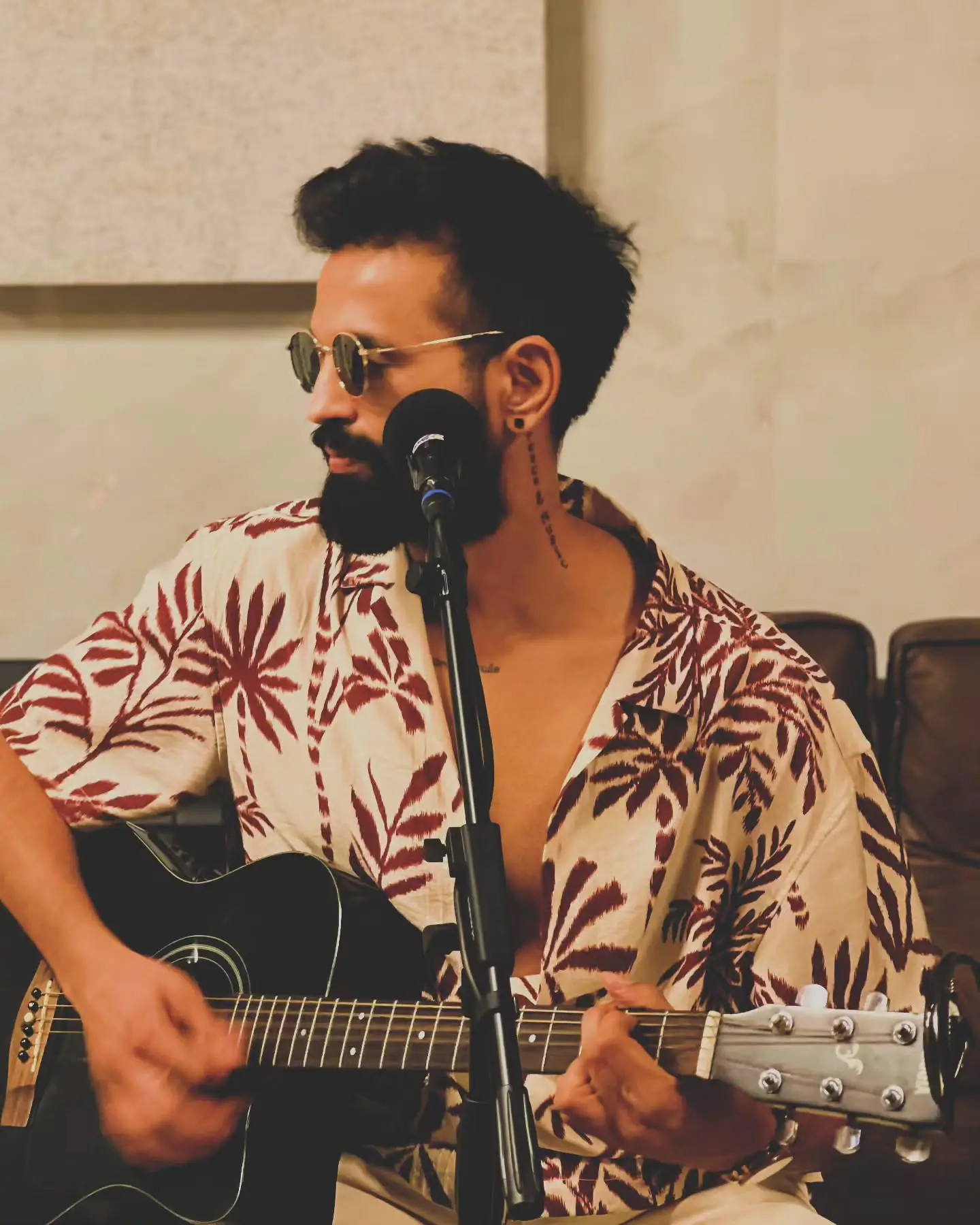

I registered my first original track with IPRS in 2020. It earned ₹340 in the first year — barely enough for a chai budget. But that same track, still collecting royalties quietly, has now earned over ₹18,000 across streaming, radio airplay, and a single sync placement. Publishing revenue compounds in ways that streaming payouts alone never do, and most Indian indie artists are leaving this money uncollected.
India's music publishing revenues hit ₹884 crore in 2026 — 2.5× growth in three years, per the EY India and IPRS reports published this quarter. CISAC ranked India the second-fastest-growing music publishing market globally. The headline is good. The reality for independent Indian artists is messier — most of that money never reaches the people writing and producing the music. Here's how to actually claim your share in 2026, written for indie artists, producers, and small labels operating in India.
I've been navigating the publishing/royalty/distribution system since 2018 — first as an artist, now as a studio that handles releases for clients. The system in 2026 is still confusing, but it's also more lucrative for those who understand it. Most music creators leave 30–60% of their royalty entitlements on the table because they don't know what to register, where, or when. Let's fix that.
The Three Royalty Streams You Need to Know
Every song generates royalties from three distinct sources, and missing any one of them is leaving money behind:
1. Master Recording Royalties
This is what most artists understand. When your song streams on Spotify, JioSaavn, Apple Music, etc., you (or your label) earn a per-stream payout. These are master recording royalties. In India, current rates per stream:
- Spotify India: ₹0.18–0.25 per stream
- Apple Music India: ₹0.30–0.40 per stream
- JioSaavn: ₹0.05–0.12 per stream
- YouTube Music: ₹0.08–0.18 per stream
- Wynk Music: ₹0.04–0.08 per stream
Distributed via DistroKid, CD Baby, TuneCore, The Black Turn, or similar. This is the easiest stream to claim — your distributor handles it. The challenge is just getting enough streams to matter.
2. Publishing/Composition Royalties
This is what most artists miss. When your song is played anywhere — radio, TV, films, public spaces, even a restaurant playing Spotify — the underlying composition generates royalties separate from the master recording. These are publishing royalties, and they're administered by Performing Rights Organizations (PROs).
In India, the PRO is IPRS (Indian Performing Right Society). If you wrote the lyrics or composed the music for any song, IPRS membership is non-negotiable. They distributed ₹600+ crore in 2025 alone. Membership is one-time ₹5,000 for individual creators; royalties begin flowing within 6–12 months of registering your works.
3. Performance Royalties (PPL / Novex)
When the master recording (not the composition) is played publicly — radio, TV, hotels, malls, fitness studios — those venues pay separate performance royalties to the recording rights holder. In India, this is handled by PPL India and Novex Communications.
If you control your masters (not signed to a label that owns them), you can register directly with PPL or assign rights to Novex. These payouts are smaller per-stream but add up across years.

The ₹884 Crore — Where Is It Actually Going?
Here's where it gets uncomfortable. The 2.5× growth in publishing royalties is real, but the distribution is heavily skewed:
- Bollywood film music: ~60% of total publishing royalties (T-Series, Saregama, Sony Music India, Tips, etc. own these rights)
- Major label catalog (non-film): ~25% (Sony, Universal, Warner India)
- Regional language films: ~10% (Telugu, Tamil, Punjabi, Malayalam)
- Independent and indie artists: ~5% of the total pool — and even within that 5%, the top 1% of indies take most of it
If you're an indie artist, you're competing for a small slice. But that slice is still ~₹44 crore annually distributed to indies — which means the math for a few hundred genuinely working indie artists is meaningful. The artists who treat publishing as seriously as they treat their actual songwriting earn the most.
The IPRS Membership Process — Step by Step
If you've written or composed any released music and haven't registered with IPRS, do this within the next 30 days:
- Go to iprs.org → "Become a Member" → "Author/Composer Membership"
- Required documents: PAN card, Aadhaar, bank account proof, list of works (you can start with one)
- One-time admission fee: ₹5,000 (₹2,000 for students under 25)
- Annual fee: ₹600
- Once approved (4–8 weeks), register each work via their "Work Registration" portal
- For each song, list: composer name, lyricist name, publisher (if any), recording label, release date
The portal is clunky. Expect to spend 2–3 hours on the initial setup and 20 minutes per song registered. There's no shortcut. The good news: once registered, your works are automatically tracked across all monitored channels (TV, radio, public performance venues, streaming platforms that report to IPRS).
Distribution Choice Affects Your Royalty Reach
Your choice of music distributor shapes which royalty streams you can claim. Not all distributors handle all streams. Quick reality check on the major options for Indian indie artists in 2026:
DistroKid ($22.99/year, ~₹1,900)
Unlimited uploads, 100% royalty retention on streaming. Does NOT collect publishing royalties (you handle IPRS separately). Best for high-volume creators. Customer service is poor but you rarely need it.
CD Baby ($9.95 per single + 9% commission)
One-time fee per release, 91% royalty retention. Has CDBaby Pro option (+$89 per release) that collects publishing royalties globally — useful for artists releasing to international markets.
The Black Turn (95% royalty share, India-focused)
India-built, India-focused. Strong on caller tunes (JioTunes, Airtel Hello Tunes) which are surprisingly large revenue streams for devotional and regional content. 95% royalty share to artist.
Believe (Major label-adjacent)
Believe has Indian offices and handles physical and major label distribution. Aimed at artists getting serious traction — they offer A&R, marketing services. Royalty splits negotiated case by case.
ONErpm (90% royalty, growing in India)
YouTube content ID strong, decent Indian presence, growing artist services. Useful if you have meaningful YouTube traffic.

YouTube Content ID — The Royalty Most Artists Miss
YouTube Content ID identifies when your music is used in other people's videos (even without permission) and either monetizes those uses or claims the revenue. For Indian artists with viral songs, Content ID can outperform direct streaming royalties significantly.
Most distributors include basic Content ID but don't optimize it. Specialist services like AdRev and Identifyy charge 15–30% but actively pursue claims. For artists with songs likely to be used in cover videos, dance reels, or vlogs, the math often favors the specialist service.
Sync Licensing — The Underexplored Revenue Stream
Indian indie music in 2026 is increasingly licensed for film, TV, ad, and OTT use. A single sync placement can pay ₹50,000 to ₹15 lakh+, depending on usage. Most artists never pursue this because they don't know how.
The mechanism: list your music on sync licensing platforms (Songtradr, Music Supervision, Indie Music Group India), tag it heavily with mood and genre metadata, and wait. Sync supervisors search by tag, not by name. Your "Indian indie folk" track tagged "wedding," "emotional," "uplifting" gets discovered for ad agencies looking for wedding-emotional-uplifting placements.
If you have a catalog of 10+ professionally produced songs, registering on sync platforms is worth the few hours of setup time. Even one placement pays for the effort.
The Actual Math — What Can You Earn in 2026?
Honest numbers for an indie Indian artist with one moderately successful song (500,000 streams over 12 months):
- Spotify India master royalties: ~₹100,000 (500k × ₹0.20)
- YouTube Music master royalties: ~₹40,000 (200k × ₹0.20)
- JioSaavn master royalties: ~₹40,000
- Apple Music + others: ~₹30,000
- IPRS publishing royalties (if registered): ~₹50,000–80,000
- YouTube Content ID (cover videos, reels): ~₹30,000–60,000
- PPL/Novex performance: ~₹15,000–25,000
Total: roughly ₹3.0–3.8 lakh annually per moderately successful indie song. Most artists who don't register with IPRS or Content ID earn only the first ₹2 lakh — losing 30–40% of their potential. Across a catalog of 10–20 songs, the difference between knowing this system and not is the difference between music being a hobby and music being a business.
Three Concrete Actions This Week
If you're an indie Indian artist with released music, do these in the next 7 days:
- Register with IPRS at iprs.org — even if you only have one released song
- Audit your distributor — confirm whether they handle YouTube Content ID, and how aggressively
- List your catalog on at least one sync platform — Songtradr is the easiest starting point
If you're early in your career and not yet released, the order is: produce a strong release first (we can help via our music production service), then handle distribution via DistroKid or CD Baby, then register with IPRS before serious traction starts. If you're planning a seasonal release, our Sawan 2026 bhajan production guide walks through the exact release timeline from recording to Spotify submission. For a deeper foundation in producing release-ready tracks yourself, our music production course in Jaipur covers arrangement, mixing, and distribution as one connected programme.
For deeper context on Indian music publishing growth and IPRS distribution data, the IPRS Stories from the Industry reports are essential monthly reading. The EY India music economy report has the broader market sizing.
If you want help structuring releases for maximum royalty capture — including pre-release IPRS registration, distributor selection, and sync platform onboarding — our team at 12NOTEZ Jaipur handles the full chain for indie artists. WhatsApp +91-9602195653 to discuss.
Frequently Asked Questions
How much does IPRS membership cost in India in 2026?
IPRS author/composer membership costs ₹5,000 one-time admission fee plus ₹600 annual renewal. Student rate (under 25) is ₹2,000 one-time. The fee is recoverable within the first year of royalty distribution if you have any meaningful airplay or streaming activity. Required documents: PAN, Aadhaar, bank proof, list of works.
What's the difference between IPRS, PPL, and Novex?
IPRS handles publishing/composition royalties (for songwriters and composers). PPL India handles performance royalties from master recordings played publicly. Novex Communications is a private competitor to PPL for sound recording rights. Indian artists need IPRS for sure; PPL or Novex only if you own your masters.
Can I register songs with IPRS if I already released them years ago?
Yes. IPRS allows retroactive registration of works, and they'll backdate royalty calculations for at least 12 months (longer in some cases). If you have a catalog from 2018–2024 that you never registered, register everything now — you may recover 6–12 months of past royalties.
Do I need a separate publisher company or can I self-publish in India?
You can self-publish in India. IPRS allows individual author/composer membership without requiring a separate publishing entity. You retain 100% of the publisher share. As your catalog grows or you sign major label deals, a publishing company makes sense, but most indie artists start self-published.
Which Indian distributor pays the highest royalty rate to artists?
The Black Turn offers 95% royalty share, the highest commitment among India-focused distributors. DistroKid offers 100% master royalty retention but charges annual flat fee instead of percentage. CD Baby keeps 9%. For pure royalty maximization, DistroKid wins on high-volume catalogs; The Black Turn wins on India-heavy listening profiles.